


South Korea Blocks Polymarket Following Gambling Decision
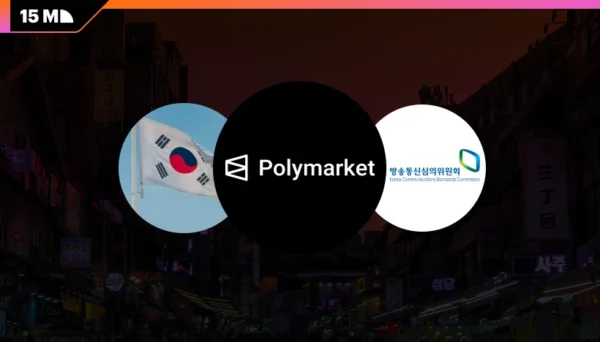
This decision was made by the Korea Communications Standards Commission on August 18. According to the regulator, Polymarket lets its users place bets on events where the results depend on the outcome of events that users cannot influence.
As of now, it is one of the most recognizable brands within the prediction market sector. Users are able to trade contracts related to future events, including elections, sports results, economic developments, and many more public matters.
Platform Structure Fails to Avoid Local Rules
Polymarket disputed the gambling classification during the review. The company said its service works through peer-to-peer transactions and blockchain smart contracts, without holding customer funds directly.
The platform also argued that it had reduced its connection with South Korea by removing Korean-language support and blocking payments in the local currency.
Regulators were not convinced by those points. The commission said the legal status of a service depends on how it works in practice, rather than the technology behind it.
Officials said Polymarket still operates markets, determines trading conditions, and provides the infrastructure that allows users to exchange value based on predicted outcomes.
Korean Markets Drew Attention
The regulator highlighted Polymarket’s availability for topics connected with South Korea. Among the examples mentioned were markets related to domestic events, including predictions about rainfall in Seoul. Authorities said such markets could attract users to place money on outcomes they cannot influence.
The commission viewed the platform’s payout structure as another concern. Users who predict correctly receive financial returns, while others lose their positions.
This was a key reason why officials compared the service with gambling activities rather than a standard information or financial product.
Global Response to Prediction Markets
The move by South Korea comes after restrictions against Polymarket in other nations. France has limited access to the site since July, while Australia and Germany have already imposed restrictions against the platform. Regulatory bodies from these nations expressed their worries over people betting money on uncertain situations through event-based contracts.
These different responses reflect the challenges regulators face when placing prediction platforms under existing legal frameworks. Platform operators claim that prediction markets involve forecasting of events, while regulators see gambling aspects in these kinds of platforms.
The South Korea example is yet another regulatory test for the sector. The outcome of future rulings will probably hinge on how regulators view the relationship between prediction trading, customer money, and gambling laws.

Have you enjoyed the news?