


Thai Police Trace All Game 248 Through Mule Accounts
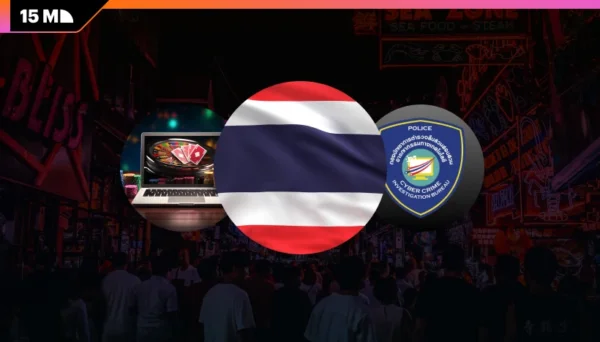
The arrests were disclosed by the Cyber Crime Investigation Bureau following searches conducted at five different sites in Bangkok, Samut Prakan, and Tak Province. The raids were conducted under Operation All Game End Game, part of a wider crackdown on illegal betting during the 2026 FIFA World Cup.
Raids Follow a Financial Review
According to the police, All Game 248 was in operation for nearly 18 months. It provided football betting, lottery games, slot machines, baccarat, and other gambling services to thousands of customers. Among those customers were school pupils, university students, and members of the general public.
Financial records covering the previous three months showed monthly turnover above THB900 million, implying annualized turnover of more than THB10 billion, or roughly $300 million.
Mule Accounts Carried Player Funds
Investigators discovered over 20 accounts related directly to the perpetrators as well as more than 200 other accounts suspected of being used to transfer the proceeds from gambling activities.
Police said the network split payments across multiple stages. Some accounts received player deposits, while others temporarily held the funds before transferring them to beneficiaries. An unauthorized payment gateway and company accounts were also uncovered by police.
Foreign nationals were believed to have been used as account holders while administrators handled various aspects of the system by geographic region.
Crypto Transfers Added Another Layer
Sitthichai Chueathai, a 35-year-old former secretary to the president of a provincial administrative organization, was one of the suspects. According to police, he converted cash into cryptocurrency, moved it between digital wallets, and then forwarded the funds to the network’s beneficiaries.
Police believe that at least THB500 million, or around $15 million, was moved through this cash-to-crypto process each month. The allegation has not been tested in court.
About THB3 million in cash, 20 bank passbooks, and electronic devices were seized during the raid. Also, THB10 million was frozen, which means the total value of assets seized and frozen exceeded THB13 million. Warrants have been issued for 15 suspects, while 3 are still at large.
Payment Infrastructure Moves Into Focus
The case highlights the financial side of Thailand’s anti-gambling campaign. Previous efforts had been focused mainly on connections, websites, and marketing avenues. The current probe examined financial transactions in bank accounts, payment gateways, and cryptocurrency wallets.
The financial investigation now faces a larger test. Police have secured assets worth just over THB13 million, while the network’s estimated annual turnover exceeded THB10 billion. The case will depend on whether investigators can reach the beneficiary accounts, identify the people controlling the proceeds, and recover a larger share of the money allegedly moved through the system.

Have you enjoyed the news?