


Better Gambling Forum Launches Six-Pillar Framework
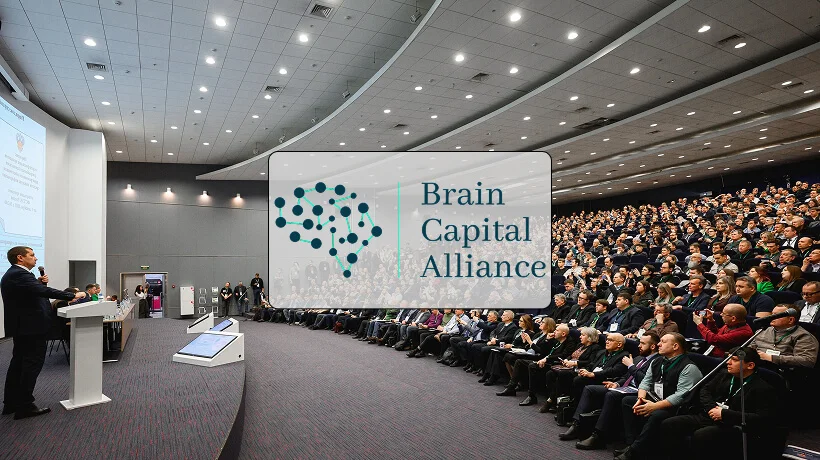
The Brain Capital Alliance didn’t go it alone on this one. They brought together some heavy hitters – G7/G20, the United Nations, and the World Economic Forum all joined the effort to create what they’re calling the Better Gambling Forum. Out of this partnership came the Responsible Gambling Practice and Policy Pillars framework (most people just say RG3P because that’s a mouthful). Shawn Fluharty chairs the steering committee, while Kevin Winters serves as a key member.
Why This Framework Matters for Player Safety
The gambling world has a coordination problem when it comes to preventing harm. Different countries and regions all tackle responsible gambling their own way, but there’s not much consistency. That’s what drove these groups to act. “This initiative, a response to the growing need for coordinated, evidence-based responses to gambling-related harm, aims to future-proof gambling and public health policy,” Fluharty explained.
But they’re not trying to bulldoze existing programs. The framework is designed to “complement, not compete with” what’s already working globally – it just helps those efforts reach more people and pack more punch.
What the Six Pillars Actually Cover
The RG3P framework breaks everything down into six areas that target different parts of gambling harm. Education kicks things off, followed by informed choice and harm prevention. Then you’ve got risk detection and intervention (basically catching problems early). Support, treatment and recovery make up another pillar. The gambling environment gets its own section, that covers product design and marketing practices. Ethical industry practices and accountability round out the list, plus research and sustainable funding.
“By focusing on these six pillars, we can provide a clear and actionable path forward that puts public and brain health first,” Winters said.
How This Changes Global Protection Standards
Here’s where it gets practical. Policymakers and regulators now have a roadmap that looks at gambling harm through a “brain health and public health lens” rather than just treating it as a moral issue. Countries can pick up this framework and bolt it onto their existing player protection measures. It’s all about evidence-based approaches instead of flying blind.
Paul Buck from Epic Global Solutions is taking this message to the UN General Assembly event on September 23, pushing for better player protection worldwide. The Forum calls this a “major step” toward getting everyone on the same page about harm prevention, and honestly? The industry could use more consistency across different markets.