NFL bans personnel from sports events contract trading
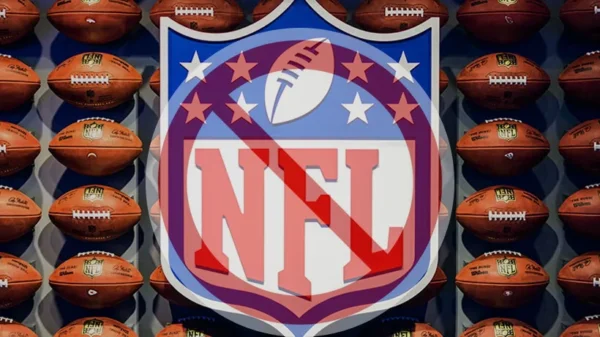
The NFL just dropped a clear ban on all league personnel trading sports events contracts. We’re talking executives, players – basically anyone on the NFL payroll.
Chief Compliance Officer Sabrina Perel broke the news to reporters on August 25. She didn’t mince words about why the league took this stance.
But here’s the thing – regular consumers can still trade on NFL games through platforms like Robinhood. The ban only hits people directly connected to the league.
Why the NFL Considers This Sports Betting
Perel’s reasoning was pretty straightforward: these platforms “mimic sports betting” and should be “prohibited” under official NFL policy. The league sees no meaningful difference between placing a bet and trading a contract on game outcomes.
The regulatory angle matters too. “These platforms lack regulatory requirements that we know regulated sportsbooks are subjected to,” Perel explained.
The NFL already submitted comments to the Commodities Futures Trading Commission back in 2024, actively advocating against sports events contracts. So this isn’t a knee-jerk reaction – they’ve been building their case for months.
What’s Still Happening Despite the Ban
Even with NFL personnel sidelined, the prediction market space keeps growing. FanDuel just announced a partnership with derivatives marketplace CME Group on August 20 to develop “fully funded, event-based contracts with defined risk.”
These contracts let customers take “yes” or “no” positions for as little as $1. People can trade multiple times daily across numerous markets, expressing their views on everything from game outcomes to economic indicators.
The FanDuel-CME partnership creates a joint venture to operate a non-clearing futures commission merchant. That’s regulatory speak for a platform that can offer these contracts legally.
How This Shapes the Broader Market
FanDuel’s CME deal shows how serious operators are getting about legitimizing prediction markets. Their late 2025 launch won’t just cover sports – they’re planning benchmarks like the S&P 500, Nasdaq-100, oil and gas prices, gold, cryptocurrencies, and economic indicators like GDP and CPI.
That’s way beyond sports betting territory. These platforms are positioning themselves as financial instruments, not gambling products.
Meanwhile, Massachusetts Representative David Muradian introduced House Bill 4431, which would prohibit online games that simulate casino gaming, lottery or sports betting using dual-currency payment systems. That could affect how these platforms operate if it passes.
The NFL’s ban reflects broader regulatory uncertainty around prediction markets. While the league can control its own people, it can’t stop the underlying market from evolving. Platforms like Robinhood and FanDuel’s upcoming venture will keep serving consumers regardless of what the NFL thinks.

Have you enjoyed the news?