


Mystery Card Apps Raise New Gambling Questions
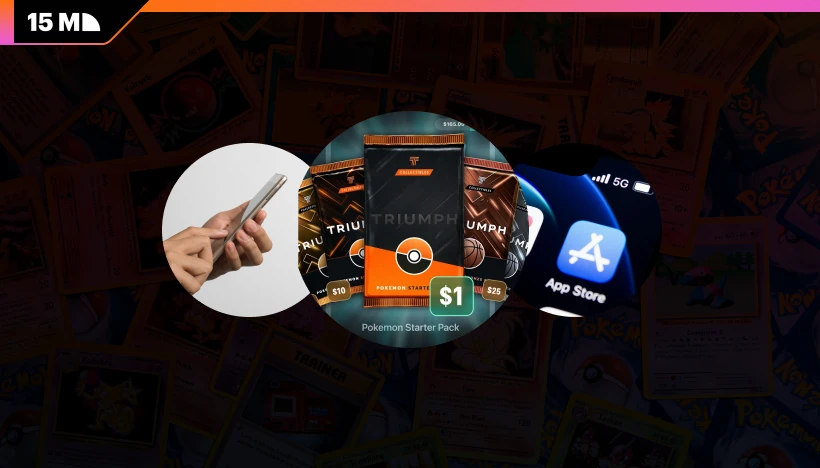
Courtyard and Rips by Triumph market digital packs linked to physical cards for Pokémon, sports, and other collectible cards. One buys a pack and gets a random card. This card can be dispatched, stored, or resold instantly.
Physical Prizes, Casino-Like Transactions
Instant reselling modifies the process. People are not required to obtain or hold onto the card. They can reuse the proceeds on another pack, creating a repeated cycle of payment, random outcomes, and cashable resale value.
Courtyard offers to buy back the cards for 90% of their value. The company claimed its monthly gross merchandise value grew from $50,000 to $50 million within 18 months. Moreover, it managed to receive $30 million in Series A funding in July 2025. According to Fortune, Courtyard said the same card was sold an average of eight times per month on the platform.
Mobile Apps Accelerate the Format
Rips demonstrates how rapidly the model grows through the app store and social media channels. It was introduced in October 2025 and crossed six million downloads by July 2026 based on the data reported by Wired.
The cost of its packs varies from $1 to $2,500. Users can request physical delivery or sell the card back. The proceeds can be withdrawn through PayPal, Venmo, debit card, or ACH. The app restricts access to this service for adults only.
Short videos make an efficient distribution channel. Pack opening guarantees suspense, outcome, and sometimes huge rewards in just a few seconds. It creates a convenient format for TikTok and YouTube content creation, while pack operators receive a promotional tool through user reactions.
Existing Rules Do Not Fit Cleanly
These products have components that are normally considered in gambling disputes – payment, chance, and prizes with monetary value. However, there is the possibility of operators claiming that they sell collectibles since each outcome is an actual physical card.
These services currently present themselves as collectibles platforms, while their treatment under gambling law remains unsettled. Consumer protection measures are different too. Rips states that its product is different from gambling, but its Responsible Purchasing Policy acknowledges that blind-box purchases may develop into compulsive spending. Users can request that their accounts be blocked from further purchases.
The legal question about loot boxes has already been set in motion. In February 2026, the New York attorney general sued Valve, alleging that its paid loot boxes violate state gambling laws because users pay for randomly awarded virtual items that can be exchanged for money. Digital card platforms could attract similar scrutiny, although their physical prizes distinguish them from Valve’s virtual items. Instant buybacks may ultimately prove more important to regulators than whether the reward takes physical or digital form.