


Dana White Pushes Tax Fight Into Legal Betting Debate
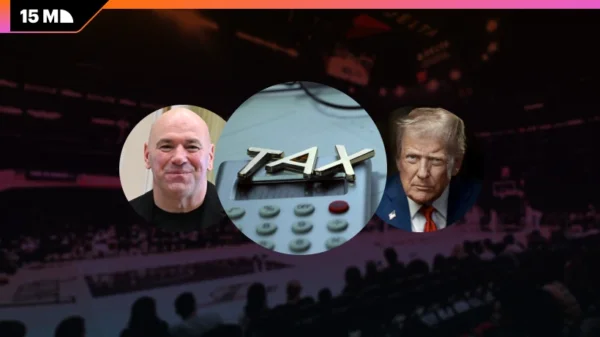
White’s appeal is based on a clause in the One Big Beautiful Bill Act, which was signed into law in July 2025. This amendment applies from the tax year 2026 and reduces the amount of deductible gambling losses from 100% to 90%.
A Tax Rule With Wider Industry Effects
Under the old law, a bettor was able to claim deductions for losses equal to the amount of reported winnings. With the new rule, a player with $100,000 in winnings and $100,000 in losses would be allowed to deduct only $90,000. This means that $10,000 is treated as taxable income, even though the player ended the year at break-even.
This scenario is now the core complaint from casinos, sportsbook firms, professional gamblers, and Nevada lawmakers. The provision changes the tax picture for legal gambling customers who may not expect a federal tax bill after finishing the year without net winnings.
White Frames the Risk Around Legal Channels
White’s reasoning is economic as much as political. UFC has close ties with sports betting as a regulated industry, from sponsorships to media deals and fan engagement products. A tax policy that dissuades betting could weaken that system.
UFC’s executive has also cautioned that frustrated players might turn to offshore betting operators. This is a common worry of U.S. gaming trade groups because regulated betting relies on identity checks, tax reports, responsible gambling regulations, and integrity policies. Unregulated platforms do not give regulators the same visibility.
This problem also has a Las Vegas twist. White linked the tax cap to casino and hospitality activity, arguing that larger players could reduce visits, spend less, or tip less if the tax treatment makes legal gambling less attractive.
Congress Has a Fix on the Table
A legislative route already exists. The FAIR BET Act was introduced by Rep. Dina Titus of Nevada in July 2025 as a way to restore the full deduction of gambling losses. Titus had previously said that the deduction policy was taxing individuals on money that they never kept and that it would force players to move their gambling activities away from legal operators.
The American Gaming Association has also called for a restoration of the 100% deduction rate. The association told ESPN that its efforts to restore the deduction were still a priority and that it would continue to lobby Congress and the administration.
White’s letter cannot affect any laws on its own. However, it does put the sports business community into a taxation discussion that was being held by Nevada politicians, tax experts, and gaming associations.

Have you enjoyed the news?