


Slovakia Puts World Cup Gambling Ads Under Review
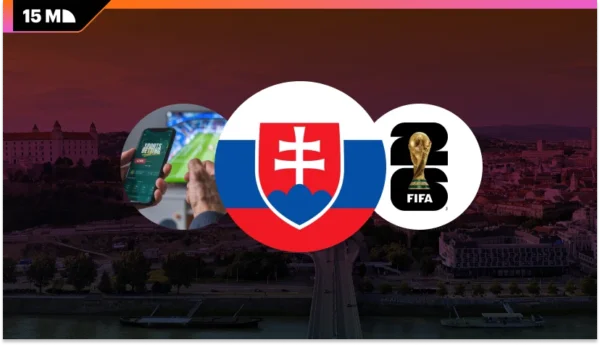
The World Cup has increased the public visibility of gambling advertising in Slovakia. The country’s Gambling Regulatory Authority, known as ÚRHH, has warned the licensed operators that tournament traffic must not undermine consumer protection.
World Cup Traffic and Tough Advertising Scrutiny
In Slovakia, ÚRHH has notified operators that traffic generated by the tournament must not compromise consumer protection. This applies to both online operators and land-based venues. Any marketing campaign associated with the football tournament will be scrutinized by the regulator. ÚRHH will evaluate offer terms, safer gambling messages, and the clarity of campaign content.
Baranová said the authority would monitor and evaluate the content of operators’ advertising campaigns throughout the tournament. The warning gives operators little room to use World Cup demand for aggressive customer acquisition. The regulator stated that its monitoring will cover television, online campaigns, social networks, and outdoor advertising.
Furthermore, the Gambling Regulatory Authority gave clear signals regarding swift regulatory response to any breaches of gambling legislation and consumer protection laws.
What Operators Must Show
The warning does not constitute a complete ban on World Cup promotion activities. Gambling advertising should still have strict boundaries, particularly during periods when a large number of games are being played.
Licensed gambling operators are expected to keep safer gambling tools visible, including self-exclusion schemes and other player protection measures. The same recommendation applies to promotions for land-based gambling operators.
This is especially relevant during the period of a sporting event whose audience goes beyond experienced bettors. Typically, the advertising campaign for a World Cup attracts the attention of people who are not familiar with the fine print of gambling.
For licensed operators, this issue can be practical since a problematic campaign may draw regulatory attention, even if the company already holds a valid licence.
A Wider Shift in Slovak Policy
The warning fits a broader Slovak debate over gambling oversight and consumer protection. Back in 2025, there were debates among the country’s political figures over stricter license control measures as well as the involvement of state-run gambling operator TIPOS in some areas of the gambling sector. Some proposals faced competition concerns, yet the discussion showed that online gambling is now a larger political issue.
Earlier in 2026, ÚRHH signed a memorandum with the Pedagogical Faculty of Trnava University to support education and prevention work linked to gambling risks. As part of this project, researchers will have access to market information and support prevention work linked to digital addiction and gambling-related harm.
Together, the World Cup warning and the university partnership show that Slovakia is putting stronger emphasis on consumer protection in gambling oversight.
The Bottom Line
For the Slovak market, the message is direct: compliance is now part of World Cup campaign planning, not a late legal check after launch. The safest campaigns will be the ones with clear terms, visible player controls, and restrained language. If ÚRHH acts during the tournament, operators may have to change campaigns while the event is still live.

Have you enjoyed the news?