
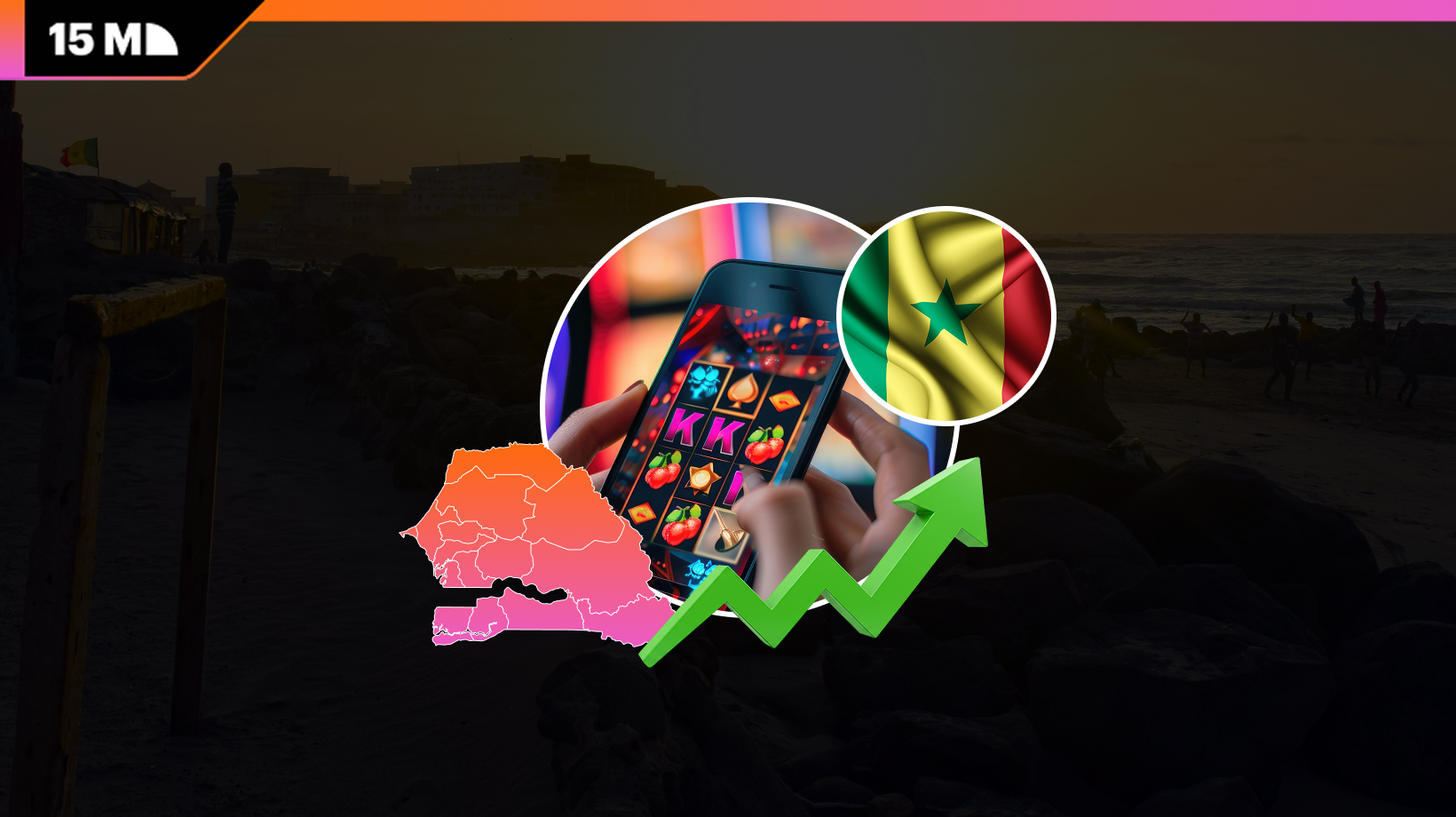

The most important driver behind the market growth is infrastructure development. Reporting from GSMA sources shows that Senegal has 97% 4G population coverage and 39% 5G coverage, with 8.16 million mobile internet subscribers. This is important for the iGaming industry because the internet is no longer just accessible in urban areas. Mobile betting services can now reach a wider audience, including those in semi-urban and rural areas.
The GSMA report also identifies a significant usage gap in the population (people covered but not yet active online). That suggests that the story is not just about the current market but also about the future conversion. According to Ecofin’s summary of the GSMA report, reforms could increase the number of mobile internet users by 2.6 million by 2030.
Betting Demand Is Young, Mobile-First, and Sports-Led
Industry reports indicate a market with about 6 million engaged gamblers (approximately 29% of the population) and a forecasted course to reach $2.1bn GGR by 2026. It also highlights a strongly mobile-first user base, with the majority in the 25-34 age bracket and significant engagement from the 18-24 group.
Sports betting is still the hub, particularly football and live betting, but the product set is expanding. Crash games and virtual sports are on the rise because they suit short mobile sessions and frictionless play. This is significant for operators designing content, UX, and payment flows for smaller screens rather than desktop experiences.
Regulation Is Lagging Behind the Market
The challenge, though, lies in legal clarity. Senegal’s gambling regulation is still based on a retail kiosk model, which has resulted in a lack of specificity in digital licensing, standards, and dispute resolution. That leaves greater responsibility on the player to gauge the credibility of a site.
At the same time, taxation comes into play as an evolving aspect. Senegal’s public broadcaster RTS reported that LONASE has announced a 20% tax on winnings through Law No. 17/2025. This will be implemented from 1 November 2025 for physical channels and mid-November 2025 for digital channels.
The Real Test Is No Longer Access but Trust
Senegal has already passed the first test for the development of digital betting: people can access the Internet and make payments online from anywhere. The harder part begins now, as the lack of clear digital rules puts too much risk on consumers and creates an uneven environment for licensed operators. The main concern for operators and suppliers is no longer about reaching consumers but about establishing credibility in a market where demand is rising faster than regulation.


