FaZe Nighthawk Reveals $20K Pitch for Disguised Gambling Ad
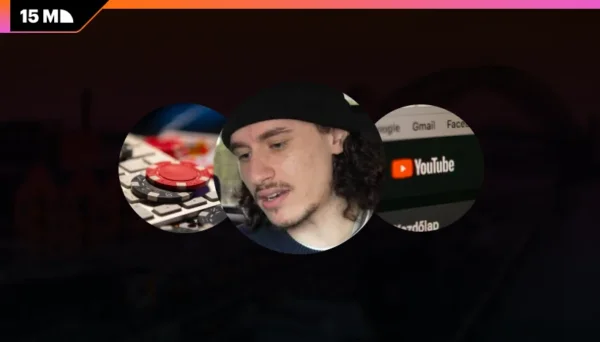
Hawatt, known online as FaZe Nighthawk, said he continued speaking with the representative after receiving the offer so he could document how the campaign was supposed to work. The proposed content would have shown Hawatt appearing to turn a $150 deposit into $2,500 within five minutes.
He said the winning footage had already been prepared for him. His role was to read a script over it and present the result as his own experience.
Australian Audience Was a Specific Target
According to Hawatt, the representative specifically highlighted his Australian following and said that audience generated strong returns. The messages suggest creators were being selected partly for where their followers were based, rather than simply for their overall reach.
Hawatt said overseas gambling businesses were targeting Australians because of the money they could make from the market. He later warned followers that similar promotions from other creators could be based on the same type of script.
Scam Reports Put the Offer in Context
Scamwatch includes fake betting sites, illegal casino-style games, copied bookmakers and bogus promotions among gambling and betting scams. The problems often start after an apparent win. Users may find their accounts frozen or be asked to pay extra fees before they can withdraw money.
According to the ACCC’s National Anti-Scam Centre, Australians reported $2.4 million in losses from betting and sports investment scams in 2025, almost three times the previous year. Hawatt’s account fits into that broader risk: an influencer with an established audience can make an unfamiliar gambling platform appear far more credible than a standard online ad.
The Ad Was Meant to Look Personal
The proposed campaign relied on viewers not recognizing it as a campaign at all. Hawatt saiid he was expected to present prepared winning footage as his own result and recommend the site as though he had found it himself.
A disclosed sponsorship gives people a reason to treat the claim as advertising. That warning would have been missing here. For regulators and social platforms, this type of promotion is difficult because the commercial message can be made to look almost identical to an ordinary recommendation from a creator.

Have you enjoyed the news?