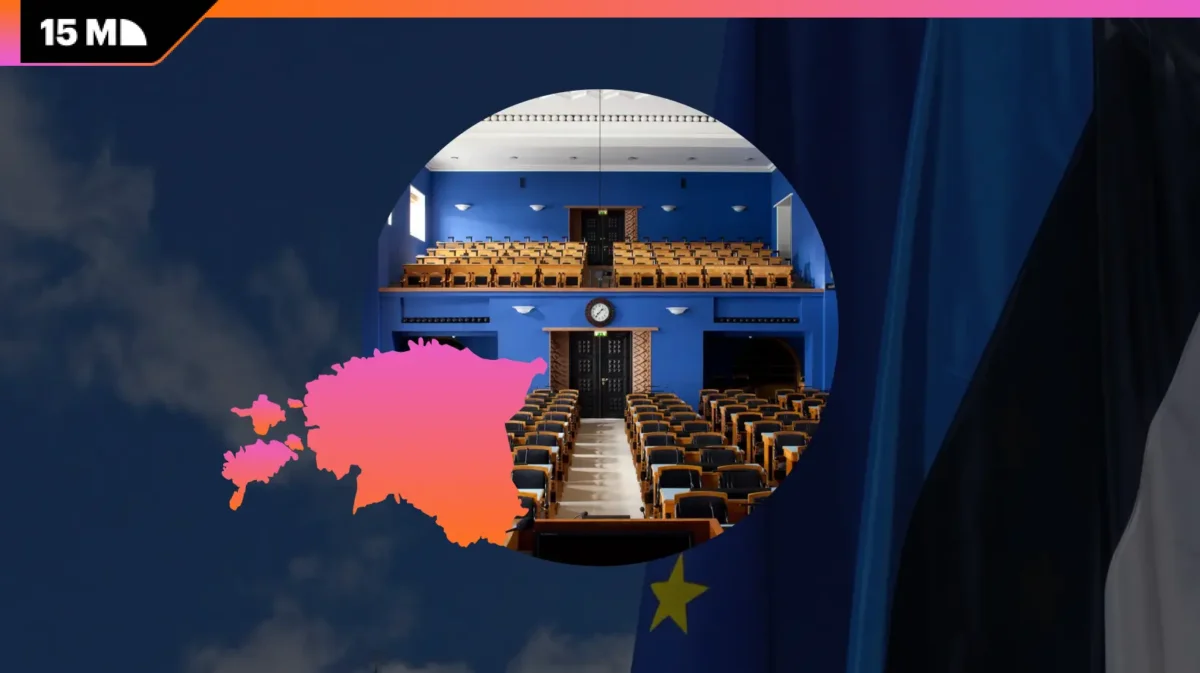

A final vote is set to be taken in the Estonian parliament, the Riigikogu, on an amendment put forward by Tanel Tein of the Eesti 200 party. That introduces a single tax of 5.5% on “games of chance” and “games of skill.”
The effective date has been established by the Financial Committee as 1 March 2026. The explanation is that the assessment is done on a month-to-month basis in the calendar year, in line with the existing practices. The implication is that the proposal would not be implemented retroactively, with January and February essentially becoming a tax holiday for the online gambling industry.


How the Gap Happened
The root cause of the problem is legislation passed on 3 December 2025 and promulgated on 18 December. This was intended to facilitate a step-by-step process for reducing the online gambling tax rate from 6% to 4% by the end of 2027. Notably, one of the critical clauses omitted “games of chance” and only included “skill games,” which inadvertently excluded online casino games.
The problem surfaced in January after members of the Finance Committee, including Aivar Kokk of the Isamaa party, had pointed out the drafting slip. Annely Akkermann of the Reform party also said that the wording would need to be reprocessed to fix the slip.
What Changes on March 1
The amendment aligns the tax base to ensure equal treatment of remote games of chance and remote games of skill at the same rate of 5.5%. The proposed amendment is also important for providing a pragmatic impetus to the Estonian Tax and Customs Board. This requires a legal basis to impose this tax.
Practical Takeaways
The change on March 1 is anticipated to clarify the position; however, such a two-month period is difficult to “patch” after the fact. Commenting on the situation, Karolina Ullman of NJORD Law Firm told NEXT.io that “the law is the law”.
There have been suggestions of charitable donations in the name of the Estonian Ministry of Finance or the Cultural Endowment of Estonia during the time of year that the gambling tax cannot, by law, be paid. Yet for a jurisdiction that aspires to establish itself as an iGaming center of excellence, it’s a sobering reminder that tax laws are as much about the intricate plumbing as they are about the rates.