


Brussels Budget Fight Opens the Door to Tech and Gambling Levies
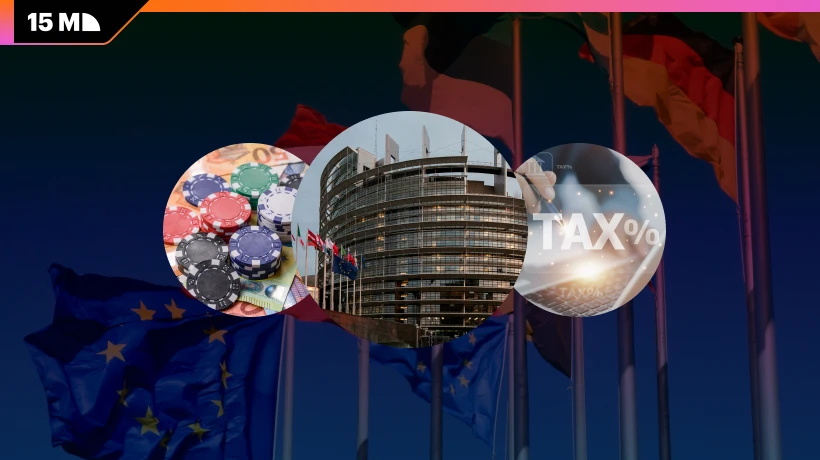
The debate surrounding the EU budget for 2028-2034 is shifting from mere numbers to the more challenging issue of how the money will be raised. Some EU lawmakers are using the budget debate to push new revenue ideas, including an EU-level digital levy and, from parts of Parliament, a possible levy on online gambling.
Negotiations for the next multi-year budget cycle have barely even started yet, but already the budget framework faces serious constraints. The Commission’s draft budget is close to €2 trillion and includes a dedicated envelope of around €168 billion linked to NextGenerationEU repayment costs.
Revenue Ideas Move to the Center
No such new tax for the whole EU has been agreed upon at this point. However, what has happened is that these proposals have become more open to discussion in terms of the positioning of the European Parliament with respect to the next MFF. The digital levy is not a brand-new idea in Brussels, but the next budget fight is bringing it back into the spotlight as Parliament searches for new own resources.
Moreover, the political frame itself has broadened. As reported in coverage of the April 9 debate, the centre-right wing of Parliament contends that major technology firms create significant business activity in Europe and must do more to finance the budget of the single market they operate within. The idea of an online gambling levy has also surfaced in Parliament, including from lawmakers in the Socialists & Democrats group.
Why the Idea Faces a Difficult Path
These proposals demonstrate that Parliament would like to have a more extensive discussion about funding rather than looking at the next budget solely as a cost to the national contribution. But making that happen is not going to be an easy task. The reforms concerning the own resources remain to be agreed upon by the institutions and also the member states.
The timeline is also getting even tighter. The European Parliament’s Budgets Committee is due to vote on its position on April 15, before the issue moves into the wider parliamentary and intergovernmental budget process. In other words, the ongoing discussion should be considered only a first sign of what the future discussion about taxation might look like.
What matters for now is not an imminent EU tax decision, but the direction of travel. As repayment pressure and spending demands rise, proposals once treated as politically remote are moving closer to the centre of the budget debate.