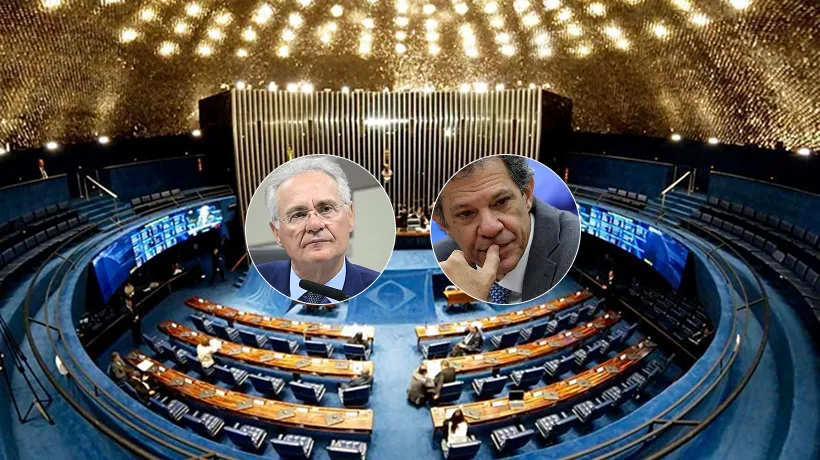

Finance Minister Fernando Haddad received a warning from allied senators this week. The Government risks defeat on its bill to raise taxes on betting operators and fintech firms.
Senator Renan Calheiros authored the proposal. It was scheduled for the Senate’s Economic Affairs Committee but got postponed when senators requested more time.
During a meeting with Senate President Davi Alcolumbre and Senator Eduardo Braga, Haddad heard some tough news. The current bill version faces strong resistance. Legislators told him there aren’t enough votes to pass it, even within the committee itself.



Why This Tax Increase Hits Political Resistance
The fintech taxation hike is causing the biggest problems. Financial and digital industry groups have been lobbying hard against these changes.
Attendees described the meeting as a “clear warning” to Haddad. That’s not the kind of language you hear when things are going well. The Minister faces mounting pressure from multiple industry sectors.
But Haddad isn’t backing down yet. He said he’d meet with the presidential office to “take the necessary steps” for securing support. Whether those steps will work remains unclear.
What Changes the Government Wants to Implement
The bill doubles the tax on operators’ gross gaming revenue from 12% to 24%. That’s a significant jump for betting companies operating in Brazil.
Fintech companies would also see increases. Their Social Contribution on Net Profit rate would rise from 9% to 15%.
The Government estimates these measures could generate BR5 billion for the 2026 budget. That’s substantial revenue the Finance Ministry clearly doesn’t want to lose.
The text is expected to be presented formally again soon. However, senators indicated it won’t go to an immediate vote.
How Lobbying Pressures Shape the Bill’s Future
Industry groups have mobilised against the proposal. Their lobbying efforts appear to be working, at least for now.
Negotiations with the Finance Ministry continue behind the scenes. These talks will determine whether the bill gets modified or potentially scrapped.
The situation shows how Brazil’s betting regulation continues to face challenges. Tax rates remain a contentious issue between operators and government officials, and Haddad’s next moves matter. His meetings with the presidential office could reshape the bill’s prospects. But allied senators have made their position clear, the current version doesn’t have the votes.