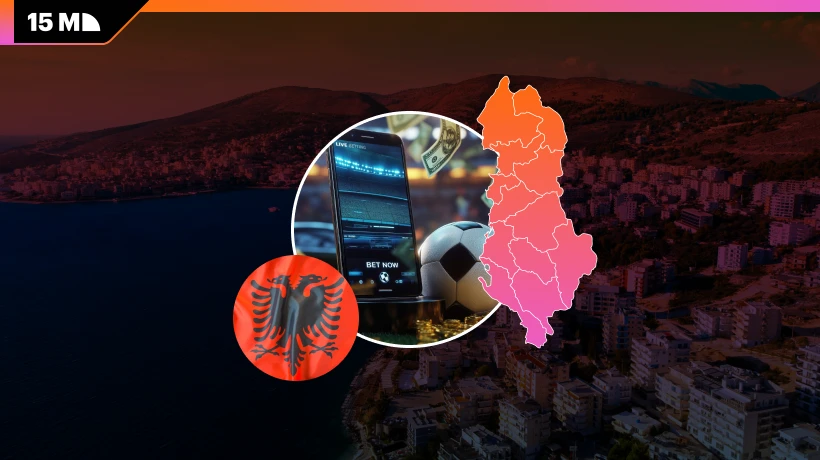

The most recent measure was taken on 11 March, when Albania’s Council of Ministers adopted technical standards and the minimum operating rules for online sports betting platforms, websites, and apps run by licensed operators. The adopted rules cover platform infrastructure, identification of players, and procedures for billing and payment transactions. In addition, they require that all betting-related transactions be recorded and monitored in real-time by the relevant Albanian state bodies.
Albania already modified its legislation previously, in 2024. Law No. 18/2024 removed the five-year ban on sports betting in the country, allowing it to resume in online-only form. The law also limited sports betting licenses to 10 and left some critical issues related to licenses to be governed by rules approved by the Council of Ministers.

What the New Standards Mean in Practice
The March decision suggests Albania wants betting platforms to operate under tighter technical and financial controls than ordinary consumer websites. Online betting operators will need compliant technology (hardware and software), as well as registration capabilities for players and secure data handling. The rules also tie payment processing to platform operation, which might be a technical challenge for any company looking to enter the market.
This move is consistent with the logic of the 2024 law. That framework has already imposed a requirement to work exclusively through financial agents, which prohibits cash transactions, and has set high barriers to entry, in terms of corporate, turnover, and experience criteria. Applicants have to be registered as joint-stock companies in Albania, show relevant betting industry experience in at least three EU or OECD countries for at least three years, and meet substantial financial criteria.
A Market Reopening, but Not a Soft One
The overall message is that Albania is seeking to reopen sports betting without returning to the looser pre-ban environment. The state is constructing a model that is supposed to be transparent about access, technology, and money flows from the outset. This may limit the number of potential applicants, but it could also enable the government to more effectively differentiate between regulated and illicit or offshore activity.
The takeaway for industry watchers is that Albania is defining what type of betting market it wants to have: limited, digital, and highly monitorable. For operators, that might mean that compliance architecture may be as important as pricing, product offerings, or brand recognition.