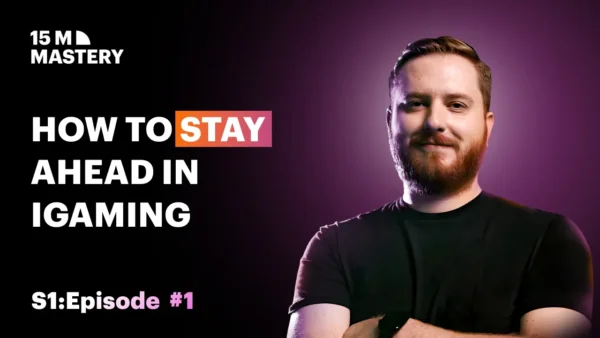
Why Gamification Still Has Untapped Power in iGaming

Gamification Beyond Surface Mechanics
Gamification is everywhere in mobile gaming, yet in iGaming it remains surprisingly underdeveloped. For Alexis Wicén, CEO and founder of Unibo, this gap explains why many operators still struggle with retention, despite generous bonuses and constant promotional activity.
In his view, gamification is often misunderstood. It is not about adding flashy mechanics on top of casino games. It is about shaping player behaviour in ways that feel natural, rewarding, and emotionally positive.
Gamification Is More Than Tournaments
Most iGaming products rely on familiar tools. Tournaments, leaderboards, and seasonal promotions have existed for years. But Alexis believes these features only scratch the surface.
“Gamification should guide players to keep doing what they already want to do,” he explains. “Not force them into something else.”
In mobile games, players return because progress never stops. There is always something to complete, unlock, or improve. iGaming, by contrast, often pauses the experience between sessions. Once the bonus is used, the motivation disappears.
True gamification lives inside the game itself, not around it.
Retention Starts Inside the Game
According to Alexis, gamification improves retention in two important ways. First, it gives players a reason to come back. Simple interactions, free spins, or light challenges create value without demanding an immediate deposit.
Second, in-game gamification keeps players engaged once they are playing. When players stay inside a game, session length increases and turnover grows naturally. Every time a player leaves the game lobby, they are closer to leaving the site entirely.
“Keeping the player inside the game is key,” Alexis says. “That’s where engagement really happens.”
The Problem With Rewarding Negative Moments
One of the biggest mistakes operators make is how they think about player motivation. Traditional rewards focus on deposits, losses, and cashback. Alexis argues that these moments are not enjoyable for players.
“Players don’t like depositing,” he says. “And losing isn’t a positive experience, even if you get something back.”
Gamification allows operators to reward positive moments instead. Winning spins, completing missions, or ranking in a tournament already create excitement. Adding rewards on top of those moments amplifies the emotional impact.
“It’s a double reward,” Alexis explains. “You’re reinforcing something the player already enjoys.”
Measuring Engagement Without Pushing Players
For Alexis, successful engagement is visible in behaviour. Players stay longer on the site. Sessions increase. Churn slows. Importantly, this should happen without pushing players outside their comfort zone.
“If you push too hard, there can be negative effects,” he warns.
Gamification works best when it enhances familiar habits. If certain games are already popular, promotions should be built around them. Engagement should feel supportive, not demanding.
Where Gamification Is Headed
Looking ahead, Alexis sees real-time data and automation shaping the future of retention. AI can support CRM teams by optimising timing, segmentation, and reward structures, helping operators reach the right player at the right moment.
But the long-term opportunity lies deeper. Online games keep players loyal through progression systems, achievements, and persistent value. Players stay because leaving means starting over.
“That’s something iGaming can learn from,” Alexis says.
Gamification, when done properly, does not just increase activity. It builds attachment. And that is where real retention begins.