Why Motivation Starts With Removing Friction, Not Adding Pressure

What Holds Teams Back
Employee motivation is often treated as a performance problem. Incentives are added, targets are raised, processes tightened.
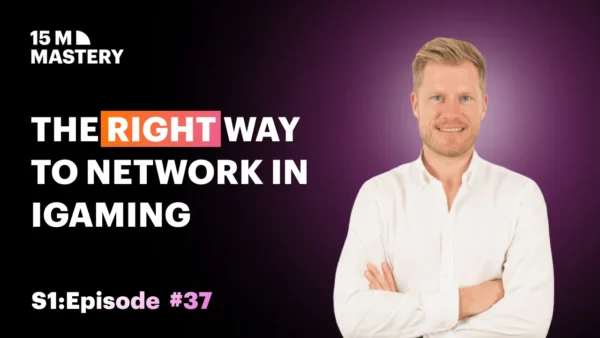
For Christoffer Feldt-Sørensen, CSO at Simplify, that logic misses the point. After more than 20 years working across sales, customer success, support, and onboarding teams, his view is clear: people disengage when obstacles stay in their way.
For him, leadership is about removing barriers so teams can move forward with clarity and ownership.
When an Organisation Works as One System
A team works as a system when everyone has a clear path to deliver their role. Christoffer sees his primary job as clearing obstacles. When something blocks progress, the leader steps in to remove it, not to dictate how the work should be done.
Employees are given clear frames, not instructions. Within those boundaries, they decide how to deliver. When people understand their role and take ownership of it, work stays focused. When they do not, effort drifts sideways and accountability weakens.
Presence matters. Teams need to feel that support is available when they ask for it.
Tailoring Motivation Without Micromanaging
Motivating diverse teams is not about treating everyone the same. Different roles require different approaches. Christoffer focuses on alignment first. Teams must understand the task at hand and why it matters.
Rather than prescribing solutions, he encourages teams to propose how problems should be solved. Processes still exist, but flexibility within them allows people to work in ways that suit their strengths. This balance builds self-reliance and keeps motivation high without constant supervision.
The Difference Between Managing and Leading
For Christoffer, management is telling people what to do. Leadership is showing them how it is done.
He believes leaders should stay hands-on. In sales, that means running meetings, handling leads, and staying close to real customer conversations. In other functions, it means staying connected to the actual work, even at a basic level.
This visibility builds credibility. When leaders do the work themselves, they understand the challenges their teams face and can offer relevant support.
Culture Is Set by Behaviour, Not Statements
Leadership behaviour sets the cultural tone, whether intended or not. Small signals matter. How leaders speak, how they behave under pressure, how they treat customers and colleagues all become reference points for the team.
Christoffer believes leaders must model the standards they expect. Respectful communication, calm responses, and professionalism shape culture more than any internal policy. When tasks are avoided because they feel difficult or unclear, stepping in and leading by example creates safety for others to follow.
Communication as a Practical System
For Christoffer, communication is the most effective motivation system. Short, regular check-ins keep teams aligned without creating control. The goal is clarity, not surveillance.
These moments allow issues to surface early and enable teams to help each other. When communication flows, problems are solved faster and motivation stays intact. Autonomy completes the loop. Once a task is handed over, leaders should not interfere unless support is requested.
Why Culture Drives Retention
Strong culture directly affects satisfaction and retention, both internally and externally. How teams treat each other shows up in how customers experience the company.
Polite dialogue, visible engagement, and mutual respect signal professionalism. Customers notice it, trust it, and stay longer because of it. For Christoffer, motivation is not created through pressure or rewards. It grows when people feel supported, trusted, and proud of how they work together.