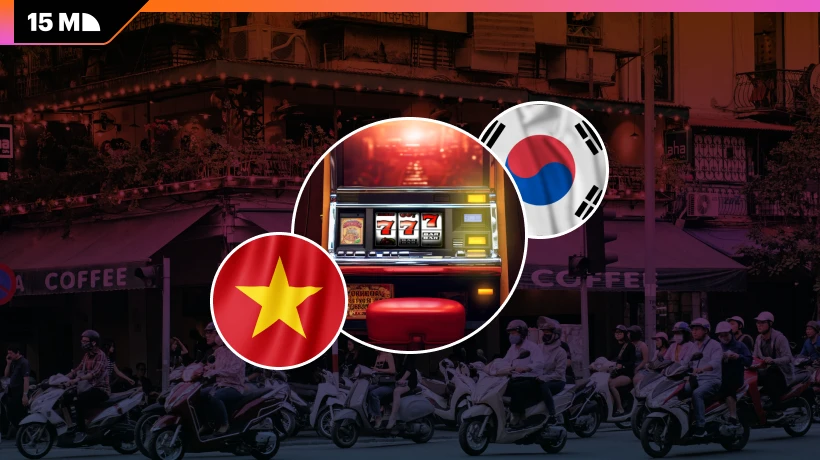

Vietnam’s casino market continues to depend mainly on foreign tourists, with Korean visitors forming the largest customer segment under the country’s predominantly foreigner-driven model. According to the Lion Club’s external marketing head, Scott Choi, revenue from Korean players has increased over the past year, underlining their role as the main earning source for the country’s integrated resorts and e-gaming clubs.
However, this dominance is not absolute. As travelers from other countries, including China, gradually return, the dominance of the Korean market might ease a bit.


Spending Habits Are Becoming More Divided
One significant change taking place is that the Korean customer base is no longer moving as a single crowd. A growing divide is seen between the premium players and the bulk of the customer base, who are price-sensitive visitors.
Among the premium players, business owners and senior professionals still have significant spending power. This is a valuable group for both resort casinos and e-gaming clubs. However, a growing number of the mass market is paying closer attention to trip economics. The prices of air tickets, hotel packages, and rebates are important factors when choosing the destination.
Resorts and City Clubs Serve Different Segments
Large integrated resorts, like The Grand Ho Tram, Hoiana Resort & Golf, and Corona Resort & Casino, attract Korean tourists who spend not only on gambling but also on hotel stays, food, spa, and golf. Although the frequency of visits is not as high, the revenue generated comes from a variety of sources.
E-gaming clubs are a different case, especially the ones found around Ho Chi Minh City and its nearby areas. These clubs attract Korean expats and workers who visit more frequently, with the main source of revenue coming from gambling primarily.
A generational aspect is notable, too. Younger Korean tourists, who are mobile-savvy, are showing more interest in slots and online table games. Baccarat, in particular, remains the major draw.
Digital Tools Are Moving to the Forefront
The past two years have seen a tangible increase in the attention given to websites, mobile applications, chat tools, and messaging-based marketing. This translates to customer management not being just restricted to phone calls anymore. Instead, digital means of contact are now an essential element of customer engagement.
The competition is getting fiercer as the trend is becoming more mainstream. This can be seen from greater operator spending on promotions, commissions, and experienced hosts with strong Korean market connections.
According to Choi, visitation to Vietnam’s casinos and e-gaming clubs could rise by at least 15% over the next 12 months. He linked that outlook to improving connectivity, including the Long Thanh airport project and the expansion of direct flights between Vietnam and Korean cities. That forecast may prove important beyond visitor numbers alone. Korean demand could be the strategic edge for Vietnam’s market if the country continues to improve access, hospitality, and digital services while staying price-competitive against alternative destinations.