
VGW just signed a conditional agreement with the Kletsel Dehe Wintun Nation of the Cortina Rancheria Tribe. The deal covers free-to-play social games and sweepstakes promotions in California.
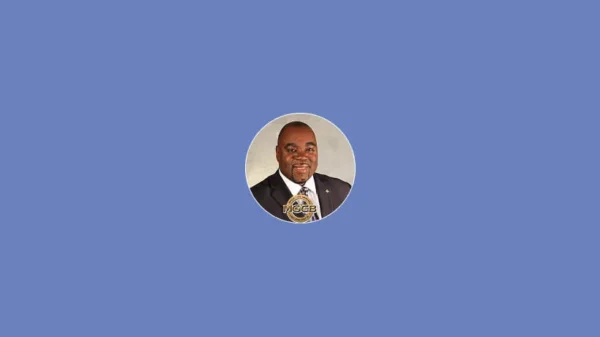
Laurence Escalante, VGW’s founder and CEO, is leading the partnership talks. On the tribal side, KEDA (their economic development arm) handles the business arrangements.
Eric Wright runs KEDA as CEO. Both organisations voiced opposition to Assembly Bill 831 on August 18.
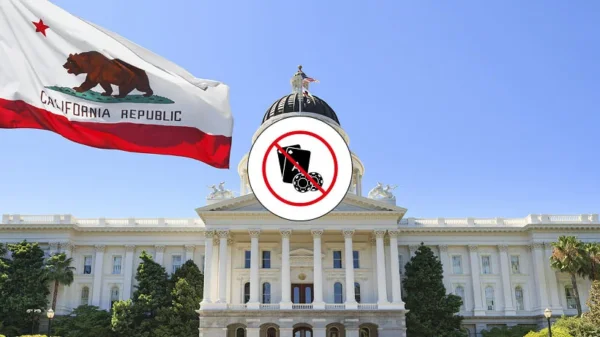
California Attorney General Rob Bonta originally proposed AB 831, which would ban sweepstakes promotions statewide.


Why This Partnership Matters Now
VGW’s been “increasingly engaging” with California stakeholders since AB 831 surfaced. The bill directly threatens their business model in the state.
“We take corporate social responsibility seriously and are thrilled to have found a tribal partner like KEDA,” Escalante said. VGW’s operated in North America for over a decade but needs local allies now.
For smaller tribes, geography limits traditional economic development. “It is self-serving for large, well-established gaming tribes to advocate for policies that restrict emerging digital commerce opportunities for others,” Wright explained.
The timing isn’t coincidental – VGW already started phasing out sweepstakes promotions in New Jersey on July 29 after their legislature passed bill A5447.
What the Agreement Includes
The partnership covers VGW’s social gaming platforms and associated sweepstakes promotions throughout California. It’s conditional, though specific terms weren’t disclosed.
KEDA and the Social Gaming Leadership Alliance jointly opposed AB 831. They’re arguing the bill would hurt smaller tribes’ economic opportunities.
“Eliminating lawful, regulated digital opportunities will deepen existing disparities,” Wright said. His tribe sees sweepstakes as crucial for economic development.
VGW emphasised their safety standards and responsible gaming practices in announcing the deal.
How This Changes California’s Sweepstakes Landscape
The tribal partnership gives VGW potential legal protection if AB 831 passes. Tribal sovereignty could shield their operations from state restrictions.
Escalante called for “modern, appropriate regulatory structures” instead of “rushed, flawed legislation with unintended consequences.” He’s clearly targeting AB 831’s supporters.
Wright accused larger gaming tribes of protecting their interests by limiting digital opportunities for smaller tribes. That suggests tribal gaming isn’t unified on sweepstakes issues.
VGW’s New Jersey exit shows they’re willing to leave states with hostile legislation. But California’s massive market makes fighting worth the effort.
The partnership could influence other social gaming operators facing similar regulatory pressure. Tribal alliances might become the new standard for market access.