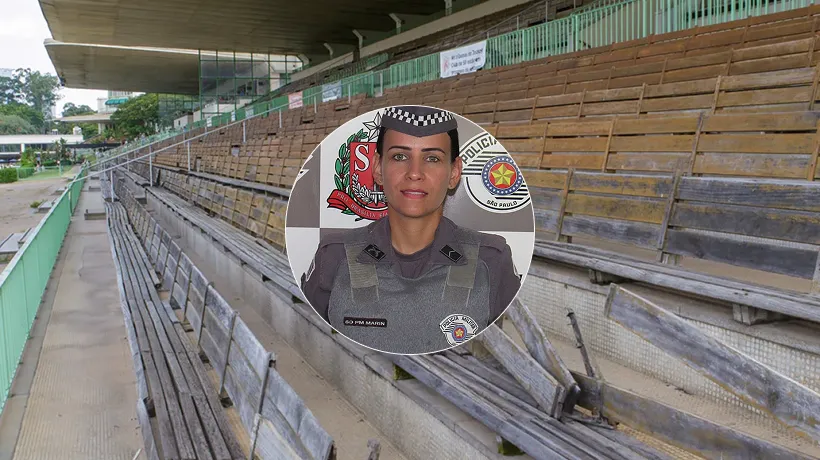

São Paulo’s Jockey Club is caught up in a financial scandal. Federal and municipal restoration funds allegedly covered private expenses instead of preservation work. Elysium, the organisation hired to manage the refurbishment, sits at the centre of the allegations.
The Ministry of Culture approved the Jockey Club to raise BR$159 million through eight projects running until 2028. Elysium secured BR$25.7 million of that total. Between 2019 and 2024, the club also raised BR$62 million through São Paulo’s TDC program. That’s the Transfer of Building Rights benefit meant strictly for preservation or urban development.
But investigators found problems. Financial statements sent to both the Ministry and City Hall contained identical invoices. Some covered personal costs like condominium fees for an apartment in a wealthy São Paulo neighbourhood. The apartment? Owned by Wolney Alfredo Arruda Unes, Elysium’s director.


Why This Case Matters for Public Accountability
This isn’t just about one historic venue. The allegations expose gaps in how Brazil monitors public incentive programs. The restoration received approval from multiple government bodies, yet identical receipts made it through both federal and municipal reviews.
The expenses raise serious questions. Gas bills, internet charges, pharmacy purchases, restaurant meals and alcoholic beverages all appeared in the documentation. These don’t fit typical preservation costs. The Jockey Club previously faced an audit in late November, showing this pattern didn’t start recently.
What Financial Records Actually Revealed
The receipts tell a detailed story. They show the apartment fees belonged to Unes’ personal property. Additional bills covered everyday living expenses that have nothing to do with restoration work.
Elysium defends the spending. They claim the apartment housed technical staff and proved more cost-effective than hotels. The Jockey Club backs this explanation, stating all accounts received approval “without reservations.”
The Ministry of Culture now reviews all documentation. They’ve requested more information from city administrators. But the identical invoices submitted to two separate agencies suggest coordination problems at minimum.
How Officials Are Responding to Allegations
São Paulo’s City Council launched a Parliamentary Inquiry Commission to dig deeper. The CPI will examine both the incentive fund misuse and the club’s tax obligations. This gives investigators formal authority to demand records and testimony.
The Ministry of Culture confirmed it’s scrutinising every document. They’re working with city officials to understand how duplicate invoices cleared both review processes. The investigation could reshape oversight of cultural preservation programs across Brazil.
For now, restoration work continues. The scandal hasn’t stopped operations. But it’s forced awkward questions about transparency in public funding. Other venues receiving similar incentives may face increased scrutiny as authorities tighten monitoring systems.