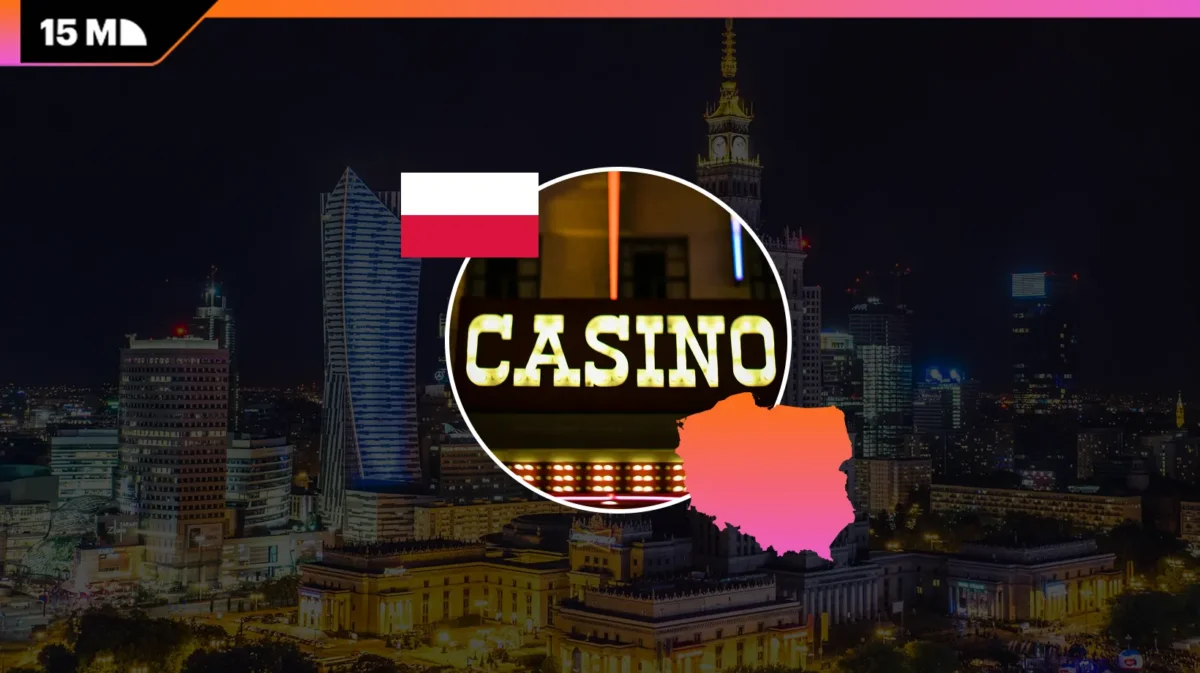

The country operates a split system when it comes to gambling. Land-based gambling here is regulated, online sports betting is open to private operators, but online casino gaming remains a state monopoly operated by Total Casino (which is part of state-owned Totalizator Sportowy).
The rationale for opening up the market is that the control provided by a monopoly has limitations when illegal operators simply keep popping up under new domain names. Notably, the blacklist now contains 55,000 blocked websites.

The Numbers Behind Channelisation (And Where It Breaks)
The data from analysts indicates that Poland has the power to guide players into the legal market in relation to sports betting. However, the state monopoly doesn’t have the same level of influence in the online casino segment. According to estimates, the key split is between betting and casino gaming:
- Sports betting channelisation: 70-80%, depending on methodology;
- Online casino illegal activity: around 40%, with approximately 1.2 million Poles playing at illegal platforms yearly;
- Tax pressure: sports betting is taxed on turnover at 12% (one of the reasons why licensed operators are considered less competitive compared to offshore counterparts).
Moreover, the advocates of reform refer to the so-called plateau effect. The share of the monopoly remains constant, while the total market increases by 11% annually. In other words, the absolute size of the unlicensed sector may increase even without any decrease in the share of the legal sector.
Politics is Still the Main Roadblock
Even with that data in hand, the larger challenge remains that of political risk. The 2009 “gambling scandal” (afera hazardowa), in which leaked recordings related to discussions of the gambling tax sparked controversy, is a sensitive subject in Warsaw. Therefore, politicians are nervous about being perceived as too friendly to industry lobbying.
And that nervousness is compounded by the wider mood in Europe. Several markets have moved to tighten ad rules and rethink taxes in response to black market issues, providing Polish politicians with an easy counterargument to “open up now.”
What to Consider Next
There are two issues that matter for 2026-2027. The first is whether the government alters the way it taxes gambling (for example, moving away from the turnover tax to something closer to GGR). Many operators claim the current system makes legal offers less competitive.
The second is whether reform gains backing from any major political party ahead of the 2027 elections, rather than it just being an industry debate.
Expert Takeaways
The reality in Poland in the near term appears to be unchanged: sports betting can continue to grow in size, but online casino access remains locked behind the monopoly. The commercial threat here is that a growing market without structural reform can still feed offshore activity.
The optimal course of action in 2026 might be to view the reform as a monitoring track rather than a planning assumption. It makes sense to keep compliance tight, monitor tax policy announcements, and be ready to articulate a consumer protection rationale around how licensing could boost channelisation rather than undermine it.