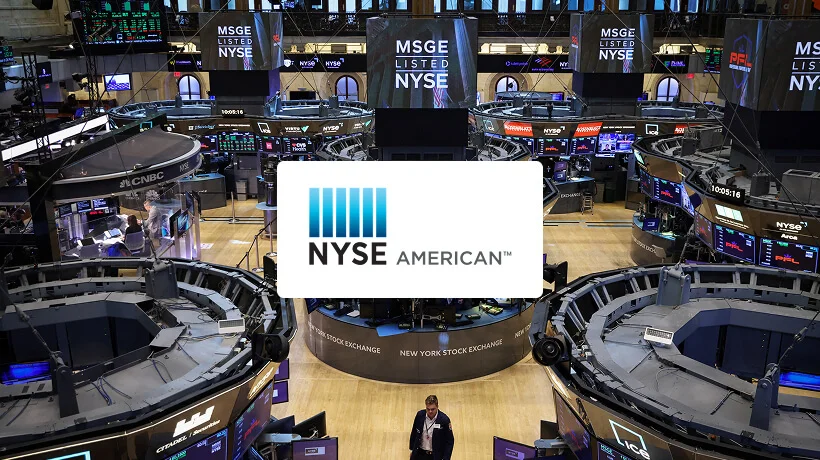

High Roller Technologies just caught a break from NYSE American after months of compliance headaches. The gaming operator submitted their recovery plan and got official approval on August 19.
This whole mess started back on June 4 when NYSE American told High Roller they weren’t meeting continued listing requirements. The company had until July 4 to come up with a fix or face potential delisting.
High Roller’s been trying to expand lately too. They partnered with Gaming Realms on July 2 to bring more gaming content to their High Roller and Fruta platforms across Ontario.

Why High Roller Faced Listing Problems
The exchange flagged two main issues with High Roller’s financials. First, the company reported stockholders’ equity of only about $2.8 million as of March 31, 2024.
But the bigger problem was their track record of losses. High Roller posted losses from continuing operations or net losses in three of their four most recent fiscal years ending December 31, 2024.
Those kinds of numbers make stock exchanges nervous about whether companies can stay viable long-term. NYSE American has specific standards that publicly traded companies must maintain.
What High Roller’s Plan Includes
The approved plan gives High Roller until December 4, 2026 to get back into compliance. That’s an 18-month window from when they first got the non-compliance notice.
NYSE American will monitor High Roller’s progress throughout this period rather than just waiting until the deadline. The company has to show consistent improvement along the way.
High Roller’s stock continues trading on NYSE American at $2.84 per share as of now. The approval means investors don’t have to worry about delisting in the short term.
How This Affects High Roller’s Future
The company admits they can’t guarantee success despite getting the plan approved. High Roller stated it can offer “no assurances” that NYSE American will find their progress satisfactory.
If High Roller fails to regain compliance by December 4, 2026, NYSE American can start delisting proceedings. The same thing happens if they don’t make progress consistent with their submitted plan.
The periodic monitoring adds pressure since NYSE American could pull the plug early if improvements stall. High Roller needs to show steady financial recovery rather than hoping for a last-minute turnaround.
Having until late 2026 gives the company breathing room, but it also means over a year of scrutiny from the exchange. Their recent content partnerships might help generate revenue, but turning around three years of losses won’t happen overnight.