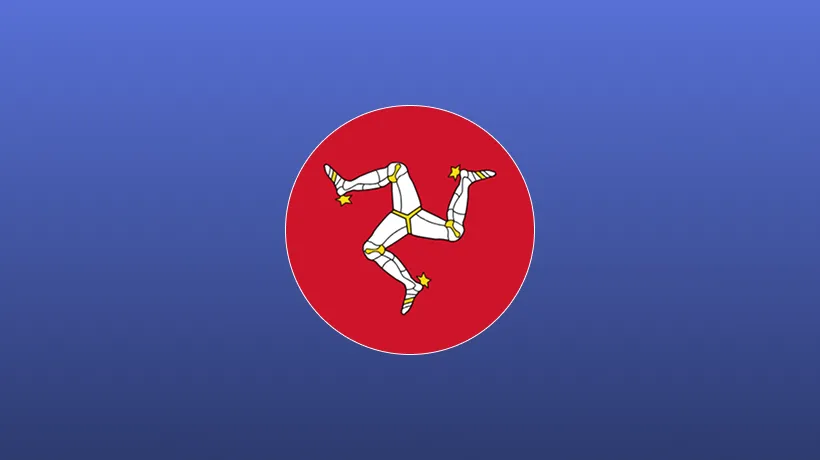

The Isle of Man Gambling Supervision Commission signed a Memorandum of Understanding with Spillemyndigheden last week. That’s Denmark’s gambling regulator.
Mark Rutherford, the GSC’s CEO, finalised the deal with Anders Dorph. Dorph directs Spillemyndigheden’s operations. The agreement creates formal channels between both regulators.
The GSC positions itself as a hub for international regulatory cooperation. This latest partnership adds Denmark to a network that already spans multiple jurisdictions.
Why This Agreement Matters for European Gambling
Intelligence sharing drives the core purpose here. Both regulators can now exchange information about operators, suspicious activity and compliance issues.
The GSC explicitly mentioned organised crime in its announcement. Money laundering concerns top the list. So do terrorism financing risks and weapons proliferation threats.
“The GSC is dedicated to upholding consumer protection and public order through international cooperation,” the regulator said. That’s not just regulatory speak. Cross-border operators make single-jurisdiction oversight difficult.
European gambling markets overlap significantly. An operator licensed in one country often serves players across multiple territories. Coordinated enforcement becomes essential.
What the New Partnership Covers
The MOU establishes regular communication between both agencies. They’ll share best practices and discuss common regulatory challenges.
Information flows in both directions. If the Danish regulator flags a licensee for problems, the GSC gets notified. The reverse applies too.
The agreement also covers broader strategic discussions. Both regulators meet to address cross-border issues affecting their respective markets. They’ll coordinate on policy development when it makes sense.
The partnership doesn’t create new regulations. It simply makes existing enforcement more effective through better information exchange.
How This Fits Into Isle of Man’s Broader Strategy
Denmark joins eight other gambling regulators with similar agreements. The GSC already works closely with counterparts in Alderney, Estonia, Jersey and Malta.
It’s also signed MOUs with the Netherlands, Norway, the Seychelles and the UK. Those deals cover similar information-sharing arrangements.
Two industry organisations round out the network. The International Association of Gaming Regulators gives the GSC global reach. The Gambling Regulators European Forum provides regional coordination.
This approach reflects how modern gambling regulation works. No single jurisdiction can effectively oversee international operators alone. The Isle of Man recognised this early.
The GSC built its reputation partly on cooperation with other regulators. These MOUs help maintain that standing. They also make the island’s licensing regime more attractive to operators who value regulatory certainty.
Similar agreements will likely follow. European regulators increasingly see intelligence sharing as standard practice, not a special arrangement.