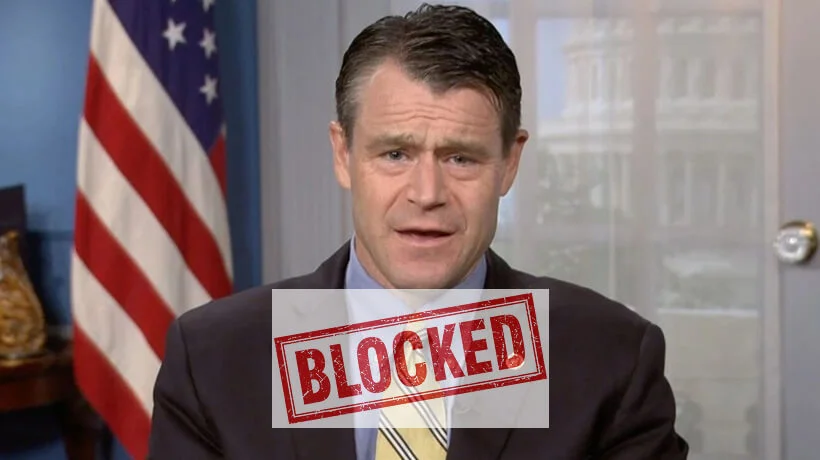

Indiana Sen. Todd Young stalled efforts to reverse new gambling tax rules last month. But his objection wasn’t about the gambling provision itself.
Nevada Sen. Catherine Cortez Masto pushed for quick approval of a bill rolling back the tax changes. Young’s staff says he actually supports that fix.
Professional gamblers like poker player Phil Galfond have been vocal critics too. They warn the new rules could devastate the US gaming industry.
The legislation comes from Trump’s massive “One Big Beautiful Bill Act.” The bill spans over 900 pages and covers numerous tax provisions.


Why Young Blocked the Unanimous Vote
The issue stems from President Trump’s “One Big Beautiful Bill” signed last month. The 900-page law cut gambling loss deductions from 100% to 90%.
Young supports fixing that gambling problem. However, he wanted Congress to also address a separate religious institution tax exemption that got removed.
“Senator Young supports the proposal, but he objected to passing it via unanimous consent if the endowment tax exemption for religious institutions wasn’t fixed as well,” his press secretary Leah Selk explained.
Both provisions were in the House version but got modified in the Senate. The changes happened due to the Byrd Rule, which governs budget reconciliation.
The Finance Committee made adjustments to the gambling provision to comply with these rules. But the religious exemption got completely removed during the Byrd Rule challenge.
What the Tax Changes Actually Do
Under the new law, gamblers can only deduct 90% of their losses up to winnings. Previously, they could deduct 100% up to that amount.
The change takes effect next year and should generate over $1.1 billion in tax revenue over eight years.
Cortez Masto told the Associated Press that many senators didn’t even know the gambling provision was included. “My understanding is many Republicans, many Democrats did not even know it was part of that process,” she said.
Schools like South Bend’s University of Notre Dame could face tax issues if the religious exemption stays removed. The school depends on endowment tax benefits that might disappear.
How This Affects the Gaming Industry
Professional gamblers say the reduced deduction could end their careers. Galfond warned on social media before the bill passed that the change “would end professional gambling in the US and hurt casual gamblers, too.”
The concerns aren’t just from poker players. Other professional gamblers worry the tax burden will make their work unsustainable.
The stalled reversal means the 90% deduction rule will likely take effect as scheduled. That gives the industry less than a year to prepare.
Cortez Masto continues pushing for the fix. But Young’s objection shows how unrelated issues can complicate even widely supported changes.
The gaming industry now waits to see if Congress can address both the gambling deduction and religious exemption together. Or whether they’ll have to live with the new tax reality starting next year.