Greece Moves Against Influencers in Illegal Betting Probe
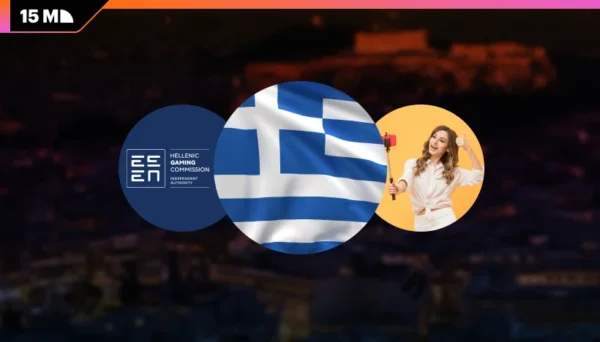
The Hellenic Gaming Commission has opened a new front in Greece’s fight against illegal online gambling. According to the regulator, criminal complaints have been filed against 18 influencers and streamers suspected of promoting unlicensed betting sites.
The cases were disclosed by EEEP president Antonis Bartholomew at the 4th Greek Online Gaming Day. The regulator said the first group of accounts had a very large reach, with individual audiences ranging from 337,000 to 623,000 followers. Local reports put the wider combined reach at over 3 million.
The scale of that audience is the point. The Greek authorities no longer treat illegal gambling as a problem limited to offshore domains. They are now concerned about the people and channels that direct players toward those sites.
Social Media Becomes an Enforcement Target
The promotion by influencers and streamers was highlighted by Bartholomew as one of the toughest issues for the regulator. The problem goes beyond the mere number of ads. There is also the matter of the audience.
Gaming and social media audiences often include minors. This is where the obvious danger of the presence of illegal advertising within entertainment video streams lies.
For the unlicensed gambling sites, the influencers become an instant source for bringing new customers. A simple link, promotional code, or mention can bring users from social media to black-market gambling sites. Now it appears that Greece is going to see such promotion as part of the process of illegal gambling.
Illegal Market Pressure Is Rising
This enforcement action comes as Greece continues to measure a large black-market gambling problem. According to the data supplied by the regulator, around 900,000 people in Greece were engaged in such gambling in 2025. That is close to one tenth of the population.
The illegal market’s annual turnover is estimated at around €2 billion. Lost state revenue stands at around €400 million. These figures help justify the move toward wider measures taken against illegal activity.
New Law Expands the Toolkit
The cases come right after Greece enacted gambling legislation that makes further reforms in this area. EEEP will have more authority, and its personnel will be increased to 110 people from the current 80. Banks, payment providers, and e-money institutions will be barred from processing transactions linked to unlicensed gambling, including stakes and winnings.
The blacklist will be extended, and it will include websites, domains, IP addresses, and mobile apps. This is significant since gambling operations that were earlier considered a browser problem are now being conducted through different channels (like apps, mirror links, and social accounts).
The new rules also cover the promotion of illegal gambling activities. Fines for such promotion can range from €5,000 up to €50,000.
What the Cases Signal
The practical signal is clear. Greece wants to cut the illegal gambling funnel before players reach the betting site. That puts influencers, affiliates, payment firms, app channels, and access providers under closer pressure. For licensed operators, this may help protect the regulated market. For social media promoters, the warning is sharper: gambling ads are now a legal risk, not only a content-policy problem.

Have you enjoyed the news?