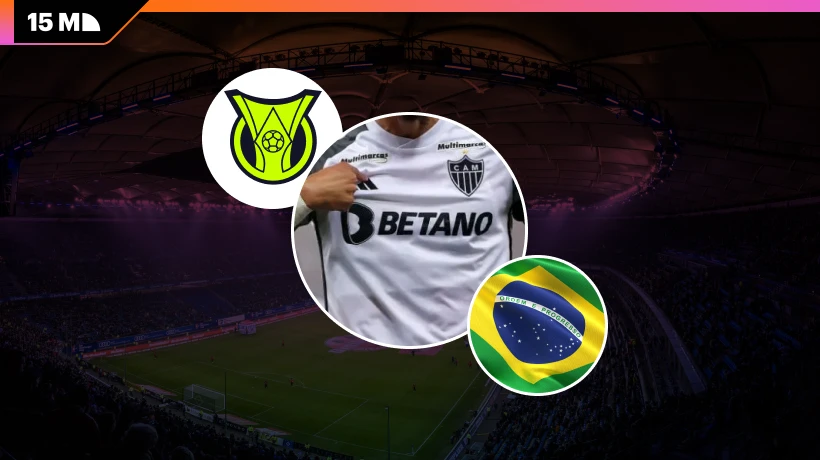

At the beginning of the 2026 campaign, it was stated that the number of Série A clubs with betting brands as master sponsors had fallen to 12, compared to 18 the previous year. Subsequent media reports following the first rounds stated that the number had risen to 13, yet again confirming the decline from the peak achieved during the growth acceleration phase. Betting brands had become the dominant sponsors on Brazilian football shirts in 2025, a time when the race for visibility was fiercer than the accompanying regulatory burden.
The money, however, has not gone away from sports marketing – it is merely being reallocated. Sector reporting from Brazil indicates that some operators are moving some of this spend into regional tournaments, arena naming rights, ambassadors, TV formats, and campaigns around the 2026 FIFA World Cup. In other words, some brands are opting for reach across multiple touchpoints versus one costly domestic shirt deal.
Regulation Has Changed the Math
Brazil has legalized fixed odds betting since 2018, and the core framework has been built in late 2023, with the Ministry of Finance SPA being responsible for authorization and supervision. Once the industry has shifted from the gray-zone expansion to licensed operation, sponsorship stopped being a mere land grab and started to become a more rigid cost equation.
The official updates from the government help shed some light on the pressure. The SPA announced in August 2025 that 78 companies were authorized and monitored in the regulated market, and updated authorization lists were still being published in February 2026. The Finance Ministry stated that the betting companies had generated around R$9.95 billion in 2025, which included R$4.5 billion related to the 12% statutory allocation for GGR.
Besides this, lawmakers continued debating higher levies, which varied from a phased GGR hike to other new tax measures, even though not all of them made it into the final version. This sort of ambiguity makes marketing heads more cautious rather than aggressive.
What the Shift Means for Clubs and Operators
The message for clubs is uncomfortable but very clear: the days of easy money have gone. Betting brands still want football, but they don’t need to buy the biggest slot at almost any price anymore. For operators, the market is moving towards efficiency.
The likely next phase is not a collapse in sports sponsorship, but a tougher filter on what is worthy of being sponsored. That suggests that Brazilian football sponsorship is entering a more mature cycle, where visibility is not enough, and all major deals need to prove themselves by reach, timing, and regulatory risks.