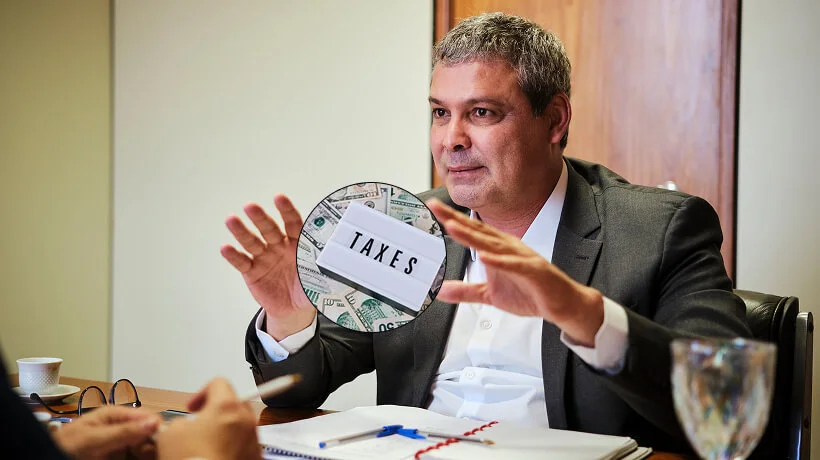

President Luiz Inácio Lula da Silva’s government is restarting its effort to raise betting taxes. The move comes right after Provisional Measure 1,303 expired without approval. Lindbergh Farias leads the Workers’ Party in the Chamber of Deputies. He’s filed a bill that would double the current tax rate.
Finance Minister Fernando Haddad will review this proposal alongside other fiscal measures. The government needs to fill a BR30bn ($5bn) gap left by MP 1,303’s failure. But the plan isn’t just about money.
The administration says high-revenue sectors should contribute more to public services. And betting companies fit that profile.


Why This Tax Increase Matters Now
Brazil’s gambling addiction problem has gotten worse fast. The country now has over 2 million people struggling with betting addiction, according to Farias. Public health network cases of pathological gambling jumped 300% between 2022 and 2024.
That’s a massive increase in just two years.
“This measure is important, as Brazil already has more than 2 million people addicted to gambling,” Farias stated when introducing his bill.
The government sees higher taxes as serving two purposes. They’d generate revenue while also funding stronger social safeguards. The timing reflects growing concern about betting’s social costs.
What Changes Under the New Proposal
The current betting tax sits at 12% of revenue. Farias’s bill would raise that to 24% – exactly double the present rate. All additional revenue would flow to Brazil’s social security system.
The government frames this as creating a “more balanced tax framework.” Officials claim the increase won’t discourage innovation or hurt growth in regulated betting. That’s their position, anyway.
Congress will need to approve any tax changes. The proposal joins other fiscal measures designed to shore up government finances. Previous attempts at similar increases faced strong industry resistance.
How This Affects Brazil’s Betting Sector
The proposal will face expected pushback in Congress. Betting companies and their allies typically oppose major tax increases. They’ll likely argue the jump is too steep.
Government sources emphasise they want fair contributions without killing the sector. That’s a tough balance to strike. A 24% rate would put Brazil’s betting tax among the higher rates globally.
The administration hopes linking the increase to addiction prevention will build public support. Whether that strategy works remains unclear. The fiscal shortfall adds urgency to the government’s position.
Other regulated markets are watching how Brazil handles this. The outcome could influence tax policy discussions across Latin America.