
Brazil’s government just released a final report on protecting gamblers’ mental health. The Interministerial Working Group on Mental Health and Problematic Gambling put the document together after months of work between different government agencies.
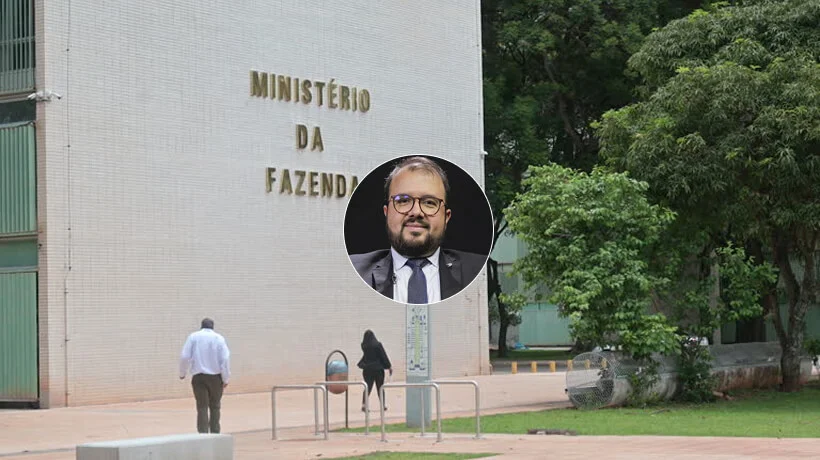
The Ministry of Finance published the plan. Regis Dudena heads up the Prizes and Betting department there. He’s been coordinating with multiple ministries on this.
The report wraps up the working group’s official mandate. It hands over a full set of proposals to guide what comes next in regulation and policy.



Why This Plan Targets Three Specific Areas
The action plan splits its approach into prevention, harm reduction and direct care. Each area tackles different stages of gambling problems instead of using a one-size-fits-all method.
Prevention focuses on education and awareness campaigns. The plan calls for training programs and public communication about gambling risks before problems develop.
But it’s the coordination piece that stands out. Government agencies, regulators and civil society groups all need to work together for this to actually work on the ground. The report emphasises this multi-sector approach throughout.
What Measures the Report Recommends
Self-exclusion systems top the list of practical tools. Betting platforms would need to let players block themselves from gambling across all operators.
The plan also wants standardized grievance procedures. That means consistent ways for players to report problems and get help, no matter which platform they use.
Health system integration comes through existing infrastructure. Brazil’s Psychosocial Care Network (RAPS) and Psychosocial Care Centers (CAPS) will handle specialised treatment. These centres already exist across the country, so the plan expands their role rather than building something new from scratch.
Players should get clear information and support access through these protocols. The standardisation matters because it creates predictable pathways for help.
How Brazil’s Approach Protects Public Health
Dudena called the recommendations “very relevant steps to address the negative externalities of the betting sector.” He said the actions work together to protect bettors and the broader economy through multiple intervention points.
The plan includes health policies like self-testing tools. A centralised self-exclusion platform is coming. Sports relationship management and government communication with citizens also factor into the overall strategy.
“It is another step forward for the protection of people and this is our main goal,” Dudena said when presenting the report.
The government expects these recommendations to shape future laws. Legislative debates on gambling harm reduction will use this document as a reference point for specific measures.
The betting sector in Brazil now faces clearer expectations around player protection. Operators will need to implement these support systems as regulations develop over the coming months.