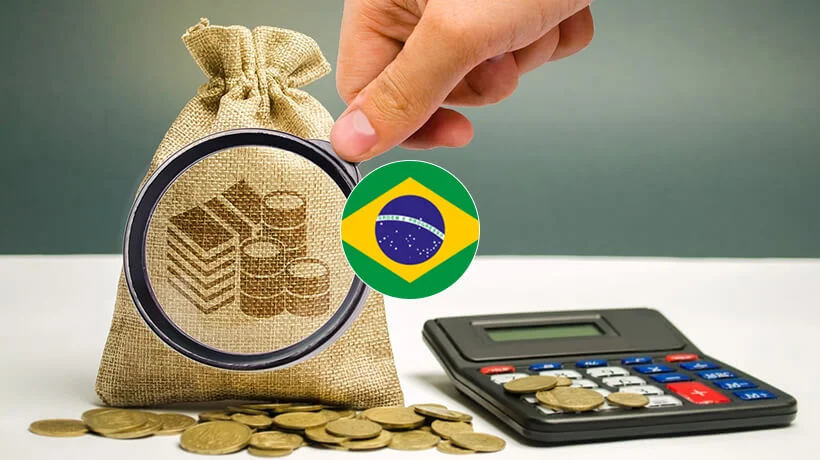

Brazil’s Federal Revenue Service made this happen. They published Executive Declaratory Act Codar No. 22 on September 2nd.
Erito Lima de Oliveira signed the measure. He’s the General Coordinator of Collection and Credit Rights.
The new system affects licensed betting operators across Brazil. They’ll pay gross gaming revenue taxes under updated rules.
The Ministry of Health becomes the direct recipient. They’ll get funds specifically earmarked for gambling harm programs.


Why this Tax Reallocation Matters Now
Brazil’s betting market has grown incredibly fast. More than 17.7 million user accounts are already registered with betting platforms.
This generates billions in tax revenue. But it also creates serious public health concerns.
The government wants to link betting taxes directly to healthcare solutions. They’re focused on preventing and treating gambling-related problems before they get worse.
São Paulo recently launched a specialised program for gambling addiction treatment. This shows the issue is getting serious government attention across different levels.
Revenue officials stressed this connection is essential. The rapid market growth demands proper health safeguards.
What the New Tax System Accomplishes
The act creates tax code 6524 for federal revenue collection. This code directs fixed-odds lottery money straight to the Ministry of Health.
The funds target specific goals. Prevention, control and mitigation of social gambling harms.
It amends an earlier regulation too. The new code gets added to the Federal Revenue’s official classification table.
Licensed operators must pay taxes on gross gaming revenue. A portion now flows directly to public health programs.
The measure creates dedicated funding streams. No more general revenue mixing.
How This Changes Revenue Collection
The dedicated code simplifies everything. Monitoring becomes much easier with clear tracking systems.
Revenue allocation gets more transparent. Officials can see exactly where gambling tax money goes and how it’s used.
The measure took effect immediately after publication. No waiting period or gradual rollout.
This creates a direct link between betting taxation and public health policy. Pretty straightforward approach that makes fiscal sense.
The system ensures gambling revenue helps fund solutions to gambling problems. Brazilian authorities are taking a proactive stance on harm prevention.
Operators now have clear guidelines about where their tax payments go. The transparency should help with industry compliance.