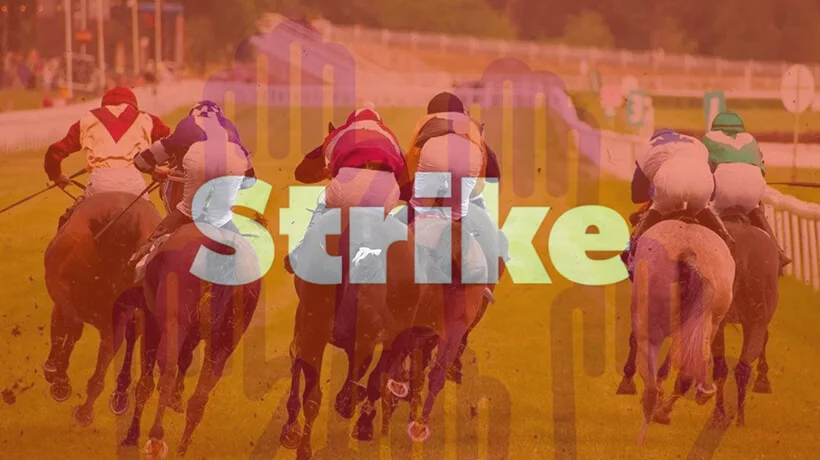

The British Horseracing Authority teamed up with the Jockey Club and Arena Racing Company to announce there’ll be no racing on September 10. They’re protesting proposed changes to online gambling duties that could hit racing hard.
BHA’s acting chief executive Brant Dunshea defended the decision on Racing TV’s Luck On Sunday programme. He said racing felt “compelled to take its own position” after months of trying to work with the Betting and Gaming Council.
The BGC represents bookmakers and wasn’t consulted on the strike decision. They’re clearly not happy about being left out of racing’s protest plans.


Why Racing’s Taking This Stand
The current tax structure charges 15% on racing bets but 21% on games of chance. Racing fears the government wants to “harmonise” these rates, which would mean a 6 percentage point tax hike on their product.
“We are taking a clear, strong position on what we believe the impacts of this principle of harmonisation will have on us,” Dunshea explained.
Racing’s arguing it’s got the clout to go it alone. Dunshea pointed out they’re “the second biggest spectator sport” with five million people attending racecourses annually.
What’s Happening on Strike Day
Fixtures at Carlisle, Uttoxeter, Lingfield and Kempton won’t take place on September 10. Instead, they’ll be rescheduled for different dates.
Racing’s also planning a campaign event in Westminster that day. Senior leaders will join racing figures to highlight the tax issue directly to politicians.
But the BGC thinks this approach could backfire completely.
How the Industry’s Split on Strategy
The BGC’s calling the strike a “futile political gesture” that risks “antagonising the Government and frustrate punters.” They want collaborative solutions instead of confrontational protests.
A BGC spokesperson warned that higher costs and disruption could push customers toward “the unsafe, unregulated black market” that pays nothing to racing or the Treasury.
The betting industry’s highlighting its economic contributions too. BGC members provide £350 million annually to racing while the regulated sector contributes £6.8 billion to the economy and supports 109,000 jobs.
Racing and betting clearly aren’t seeing eye to eye on tactics. The BGC argues that “any new tax rise on any part of betting or gaming can only undermine racing’s revenues and threaten investment in the sport.”
Meanwhile, the Treasury’s maintaining this isn’t about raising or lowering rates. A spokesperson said they’re just “consulting on bringing the treatment of online betting in line with other forms of online gambling to cut down bureaucracy.”