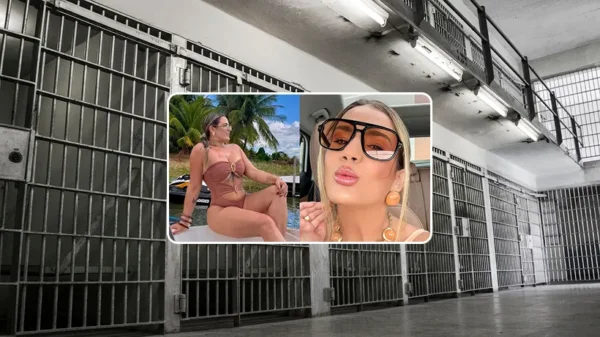

Federal Judge Jorge Rodríguez ordered the preventive detention of Roberto Javier Zuco on December 22. Authorities arrested Zuco in October at the Terralagos gated community in Canning, Buenos Aires Province.
The judge also froze assets worth ARS 7bn ($4.8m). Federal Prosecutor Santiago Marquevich from the Hurlingham Federal Prosecutor’s Office led the investigation.
Jorge Valdivia, 48, was placed under home confinement. His frozen assets total ARS 2bn. Prosecutors identified him as a key participant in the scheme.

Why Authorities Targeted This Operation
Prosecutors say Zuco ran an unlicensed betting network called Celuapuestas since 2020. The operation offered internet gambling through websites and social media platforms outside Argentina’s regulatory framework.
The network used cashiers and money mules to split deposits across multiple banks. This tactic bypassed automated financial monitoring systems. Funds moved through bank accounts and digital wallets registered to frontmen, including family members with no legitimate income.
Rodríguez called it an “emblematic example of organised economic crime.” The operation combined technology, cash transactions and nominees to launder betting proceeds. Illicit funds were converted through cash withdrawals, vehicle purchases and cryptocurrency investments.
What Raids Uncovered Across Gated Communities
Authorities conducted coordinated raids on October 15 across three gated communities in Canning. They arrested 19 suspects during the operation.
Seized assets included 60 vehicles, cash and 40 computers. Officers also found firearms and 12 kilograms of marijuana prepared for distribution.
Drone surveillance captured Valdivia loading a suitcase containing ARS 12m into a vehicle. Security personnel stopped him at a checkpoint. During testimony, he claimed the money came from winnings at Casino Central in Mar del Plata.
Argentina’s Economic Crime and Asset Laundering Prosecutor’s Office (Procelac) participated in the investigation. So did the General Directorate of Asset Recovery.
How This Case Reshapes Gambling Enforcement
The investigation remains active. Judicial sources confirm 19 suspects are still at large.
The case demonstrates how authorities are tracking tech-enabled gambling operations. Using digital wallets and cryptocurrencies to hide ownership doesn’t provide protection anymore.
The ARS 7bn asset freeze represents one of Argentina’s largest actions against illegal gambling. It sends a clear message about regulatory circumvention.
Other unlicensed operators now face increased scrutiny. The coordinated approach between Procelac and asset recovery teams creates a new enforcement model, and the use of drone surveillance shows how investigation methods are changing.