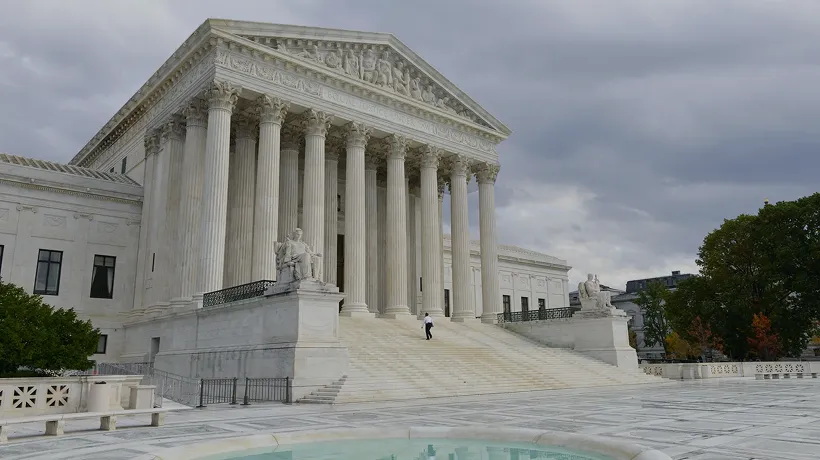

The Supreme Court heard arguments Thursday about Parliament’s 2025 online gaming law. Gaming platforms took the government to court after the law banned real-money games nationwide.
Senior advocates C.A. Sundaram and Arvind Datar represented the platforms. They argued Parliament doesn’t have the power to regulate this sector. Another bench led by Justice J.B. Pardiwala is looking at similar challenges to state laws in Karnataka and Tamil Nadu.
The platforms say they’ve lost jobs and face massive uncertainty. They want the court to move fast.
Why This Constitutional Question Matters
The fight centers on Entry 34 of the State List. That entry covers “betting and gambling” – which means states, not Parliament, should regulate it.
The Chief Justice said a three-judge bench will dig into whether Parliament “acted beyond its competence.” That hearing happens in January 2026.
This isn’t just legal theory. The outcome decides who controls India’s growing online gaming sector. If states win, each could set different rules. If Parliament wins, nationwide standards stay.
What the Law Actually Does
The 2025 Act bans real-money online games across India. It also blocks related banking services and advertising.
Solicitor General Tushar Mehta defended the law’s scope. He told the court not to view this as just a constitutional issue. The government claims these platforms cause addiction and financial ruin.
They also point to criminal activity. Tax evasion, money laundering, and illegal cross-border money flows all feature in the Centre’s case. Government data shows outward remittances hit ₹5,700 crore in 2023-2024.
The Centre estimates 450 million people have been hurt by online money games. Losses exceed ₹2,000 crore (about $240 million).
How This Shapes Gaming’s Future
The court’s decision will redraw regulatory boundaries. States might get full control. Or Parliament might keep its nationwide ban.
Industry lawyers say the uncertainty is already causing damage. Companies can’t plan. Workers are losing jobs. Investment has stalled.
But the government sees existential risks. Mehta argued that platforms can’t claim business rights when they allegedly fuel addiction and crime. The Centre views this as a public health and safety issue, not just commerce.
The January hearing will tackle these competing claims head-on. Whatever the court decides will set the framework for years to come.