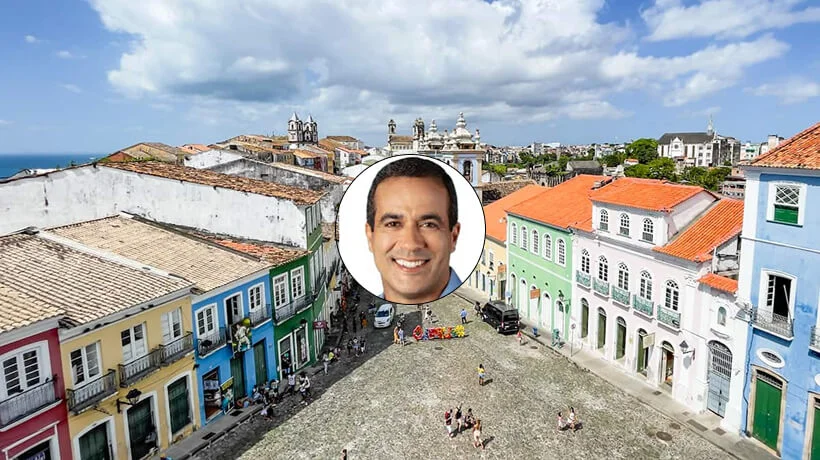

Mayor Bruno Reis brought Bill No. 423/2025 to Salvador’s City Council last week. The proposal sits with council committees right now, with the full chamber vote set for next week.
Salvador’s the latest Brazilian city looking at lottery operations as a revenue source. If it passes, the municipality could either run the lottery itself or hand operations to a private company through concession.
Reis has championed the plan publicly. He argues municipal control beats state or federal oversight for local betting markets.


Why Salvador Wants Local Lottery Control
Brazilian cities need money. States and municipalities across the country are hunting for new revenue as they face ongoing budget pressures.
But Reis frames it as more than just cash. “When the municipality assumes the leadership in supervising betting, the proximity with the bettor allows not only better management and system tracking, but also the implementation of responsible gaming policies and effective support for players,” he said.
The logic? Local officials can spot problem gambling faster than distant regulators.
They can also direct funds exactly where the city needs them most. That local control matters when you’re trying to fund specific community programs.
What the Bill Actually Does
The measure creates a framework for municipal lottery operations in Salvador. Revenue would flow in a specific order – prizes first, then taxes, then everything else.
That “everything else” goes to health, education, security, social assistance, culture and sports programs. The bill includes oversight provisions to track where money goes.
Committees held a joint session to review the details last week. The structure mirrors other municipal lottery plans popping up across Brazil, though each city tweaks the model slightly based on local needs.
The gross revenue model stays consistent – cover prize payouts and tax obligations before touching funds earmarked for social programs.
How This Fits Brazil’s Gaming Shift
Salvador isn’t pioneering anything here. Other Brazilian jurisdictions already launched or proposed similar subnational lottery systems in recent months.
The trend reflects fiscal reality. Cities and states can’t wait for federal lottery funds to trickle down anymore. They want direct control over gaming revenue in their territories.
If Salvador’s council approves the bill, implementation still needs work. The city must decide whether to operate directly or pursue concession. Either path puts Salvador in a growing club of municipalities taking gaming matters into their own hands.
The vote next week will show whether Salvador joins that group or backs away from local lottery control. Either way, the debate signals how Brazilian cities view gaming as a fiscal tool worth controlling locally.