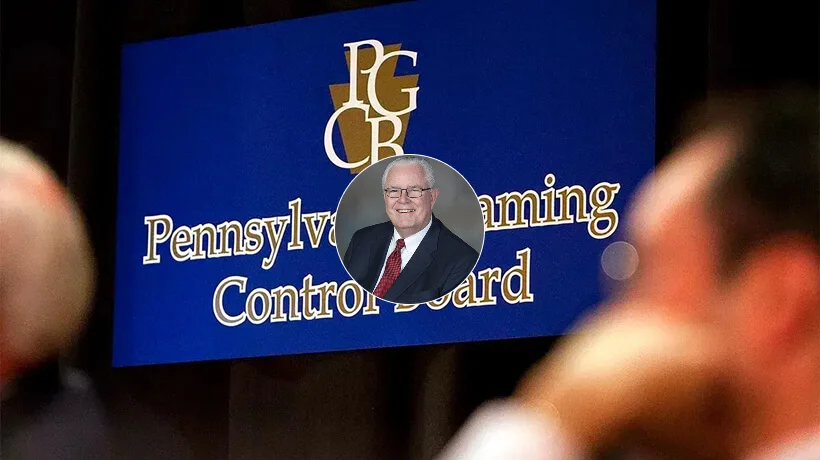

Kevin F. O’Toole submitted a formal complaint this week. The Pennsylvania Gaming Control Board’s Executive Director sent his letter to the state’s two US Senators and 17 Congressional members.
O’Toole isn’t alone in raising these issues. Michigan Gaming Control Board filed similar concerns in Q2. NBA Chair Adam Silver also submitted a formal complaint to federal regulators during the same period.
The complaints target prediction markets offering sports event contracts. These platforms claim they’re not gambling under state law.



Why State Regulators See a Regulatory Gap
Pennsylvania’s sports wagering framework faces a direct threat from these markets. O’Toole says prediction markets operate as a “backdoor to legalised sports betting” while avoiding state oversight.
The platforms self-certify their operations. That means the Commodity Futures Trading Commission doesn’t review them at federal level. But they still offer betting on sports outcomes.
O’Toole’s letter explains the problem bluntly. “Sports prediction markets operate under the assertion that they are financial derivatives, or swaps, and therefore claim to not be gambling under state law,” he wrote.
The regulatory mismatch creates consumer protection risks. CFTC’s framework was designed for sophisticated institutional participants. State gaming regulators focus on age verification, responsible gaming limits, and problem gambling prevention.
What O’Toole Told Federal Officials
The letter calls prediction markets a “facade of federal regulation.” O’Toole argues they create parallel systems without proper consumer safeguards.
He pointed out the infrastructure gap. “With all due respect to the CFTC, it would take years for them to create the regulatory system and oversight that state gaming authorities have in place,” O’Toole wrote.
The situation confuses consumers. Players think they’re using highly regulated markets. In reality, O’Toole says, they’re more like the “wild west.”
Pennsylvania legalised sports betting in November 2018 after PASPA ended. The state built detailed consumer protection systems over seven years.
How This Creates Legal Uncertainty
The CFTC hasn’t provided any regulatory guidance on prediction markets this year. That leaves state regulators without federal support.
The silence creates legal exposure. Kalshi sued Ohio Casino Control Commission this week after the state removed its platform. The operator claims Ohio overstepped its jurisdiction.
Meanwhile, Polymarket received a $2 billion strategic investment. The world’s largest prediction platform plans to re-enter the US market soon.
State regulators now face a choice. They can act against prediction markets and risk lawsuits. Or they watch these platforms operate alongside their regulated sports betting systems.