



Why This Is More Than a New Access Rule
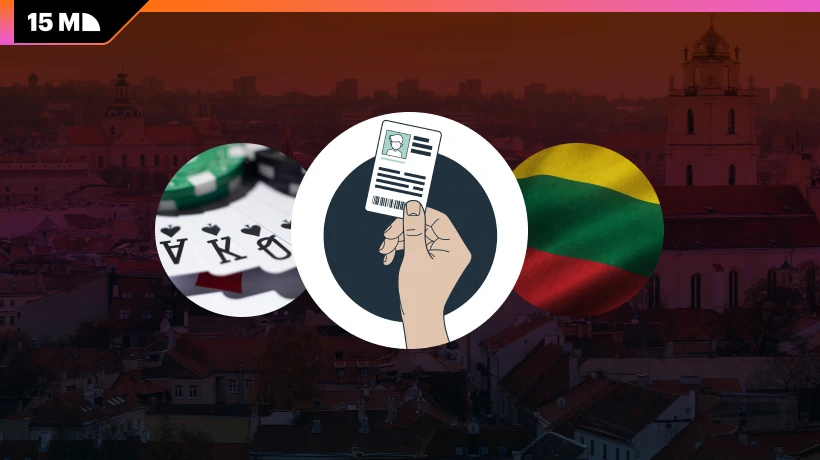
According to the draft proposal, anyone who wants to gamble in Lithuania – be it either online or offline – would need to obtain a gambling card to do so. The ministry notes that such a system makes it possible to centrally register player deposits and winnings, regardless of the medium used.
This makes the initiative far more comprehensive than a mere ID check. Practically speaking, the process would create an inter-operator log of gambling activities inside the regulated market. According to the ministry’s policy objectives, the idea behind these cards is to promote responsible gambling and strengthen harm prevention.
In addition to the above changes, there is another structural update. The ministry also proposes moving gambling venues away from cash transactions to non-cash payments that would be linked to the player card. This comes alongside plans to give the Gambling Control Authority more regulatory power while also removing unnecessary compliance burdens for businesses.
What the Timeline Means for the Market
The reform will not be implemented immediately. Changes regarding market regulation and removal of excessive requirements for businesses are proposed to be phased in on May 1, 2027. Introduction of the player card system, along with the move away from cash in gambling venues and cash payouts to players, are proposed to take effect on January 1, 2029.
According to the ministry, the player card system requires complicated technology, and operators might need three years to update their equipment to enable cashless transactions. Therefore, the burden may not only come after the implementation but also during this transition period.
A Further Step in Lithuania’s Tightening Policy
The recent draft is not a stand-alone document. Lithuania passed amendments to its gambling law in November 2024, requiring operators to identify players at risk and stop their gambling on time. Online operators, in particular, must use certified platforms that record player identities, gambling activity, time spent, and amounts spent.
The new card proposal can be interpreted as yet another phase in the evolution of this policy approach. Lithuania is not only limiting itself to controlling advertising and increasing duties for the operators within single gambling premises or online gambling sites. Instead, it is moving towards a system where player tracking, payments, and regulation can be more closely linked within the regulated gambling industry.
If the proposal is adopted by the authorities and enacted by parliament, then the mandatory use of the card after 2029 would represent a good example of this trend in Europe.