
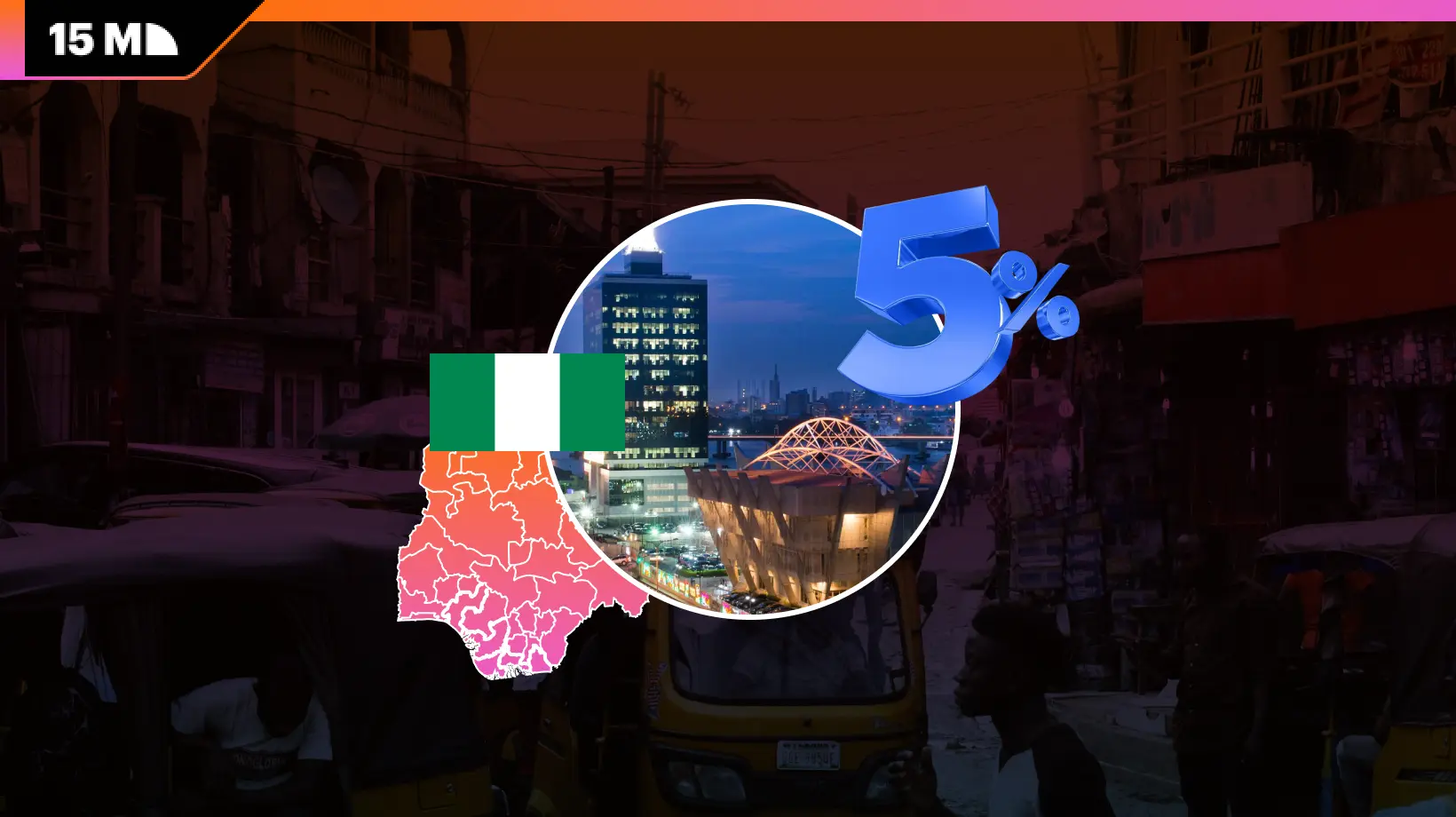

According to a statement by the Lagos State Lotteries and Gaming Authority (LSLGA), the new tax requirement is effective immediately. In the notice, the regulator directed operators to deduct it while paying out winnings to customers and remit it to the Lagos State Internal Revenue Service.
The tax applies regardless of the customer’s residence, as long as the online betting platform is licensed in Lagos.
How the Tax Works
The tax is deducted before the player receives money and is based on net winnings. It is to be withheld, reported, and remitted by the Lagos-licensed operators. The LSLGA presented the amendment as part of efforts to enhance compliance and transparency in a rapidly growing market fueled by mobile and online sports betting.
The notice also reaffirms that gaming operators must be properly incorporated (registered with the Corporate Affairs Commission) and licensed by the LSLGA to offer gaming services under Lagos regulation.
Why Lagos Can Move First
This divide has become even more significant in the past two years. In 2024, the Supreme Court upheld that states have primary jurisdiction over this matter. That gives more legal force to the states to present their laws. At the federal level, an effort to consolidate regulation also came to a standstill when President Bola Ahmed Tinubu refused to sign the Central Gaming Bill in December 2025. The result is a situation where states have different rules.
The regulatory framework in the country is based on the Casino and Gaming Regulatory Authority Law and the Lagos State Lottery Law (amended in 2008). Other states are governed by their own laws, which further adds to the inconsistencies faced by multi-state operators.
How Lagos Compares Regionally
A 5% withholding tax is common in the region, but countries organize it in various ways. In Kenya, for example, there’s a 5% withholding tax linked to withdrawal and an excise duty on deposits. In South Africa, there has been a proposal for a much higher withholding tax of 20%, which is often proposed as a deterrent measure. Ghana taxes operators with a 20% Gross Gaming Revenue tax, and its earlier repeal of the winnings tax is a reminder of the political sensitivity of charging bettors.
Further Developments to Watch
The most important question for operators is whether tax collection is consistent among licensees in Lagos and how it is enforced against non-compliant or unlicensed rivals. The more significant message for investors and suppliers is the policy agenda, with states increasing their control over the economics of online betting. For now, Nigeria still lacks a national framework to standardize rules and make it easier to do business.


