GGL Turns a Capital Bra Concert Into a Gambling Enforcement Action
This case has wider implications than just for one celebrity’s reputation. It demonstrates how German regulators are considering livestreaming, social media posts, banner ads, and affiliate gambling promotion. It is viewed under the same enforcement umbrella when the operator behind it is not licensed in Germany.
Why the Case Escalated
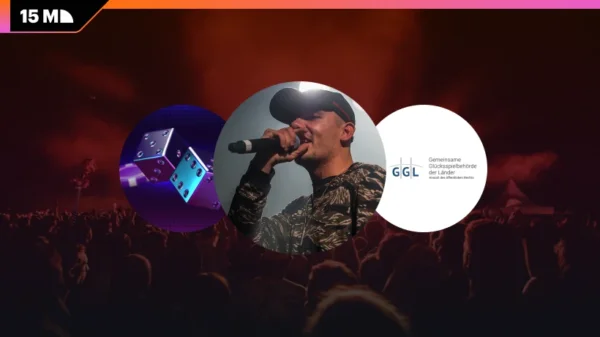
According to the Gemeinsame Glücksspielbehörde der Länder, the procedure started in October 2025. The regulator said Capital Bra did not respond to a hearing and later also ignored a prohibition order that already included the threat of a financial penalty. The next step was enforcement. With assistance from the West Hesse police during a club concert in Wiesbaden, a €250,000 order was delivered.
The GGL says the rapper repeatedly published content showing him playing on illegal online gambling sites. He also reused that material in videos and livestreams, as well as promoted related websites through banner advertising. The GGL added that Capital Bra operated a comparison site for illegal online gambling providers. Taken together, these factors moved the matter from monitoring into enforcement.
Streaming Is Not a Side Issue
As viewed by the GGL, participation in illegal gambling in livestreams can count as advertising. Under Germany’s 2021 State Treaty on Gambling, advertising for illegal gambling is banned. The regulator has also made clear elsewhere that any operator missing from the official whitelist should be treated as illegal in Germany.
Gambling promotion, as such, no longer sits only in classic ad slots. It can be found in creator channels, review pages, clipped videos, and social reposts. Capital Bra’s Twitch channel, as reported in the media, promoted the website capibonus.com. What’s more, the first five casinos listed there did not appear on the GGL whitelist.
Why the Market Will Notice
The GGL is effectively warning influencers, affiliates, and media personalities that entertainment framing will not shield gambling promotion from regulatory scrutiny if the brands involved are unlicensed. The regulator also ties that stance to consumer protection. Its key argument is that illegal sites operate without German state oversight and may expose players to weaker safeguards, addiction risks, and financial harm.
To sum up, Germany is narrowing the gap between formal gambling law and the creator economy. A penalty delivered during a concert is not that common. However, the message is clear: illegal operators promoted through streams, banners, or review funnels can expect visible enforcement.

Have you enjoyed the news?