
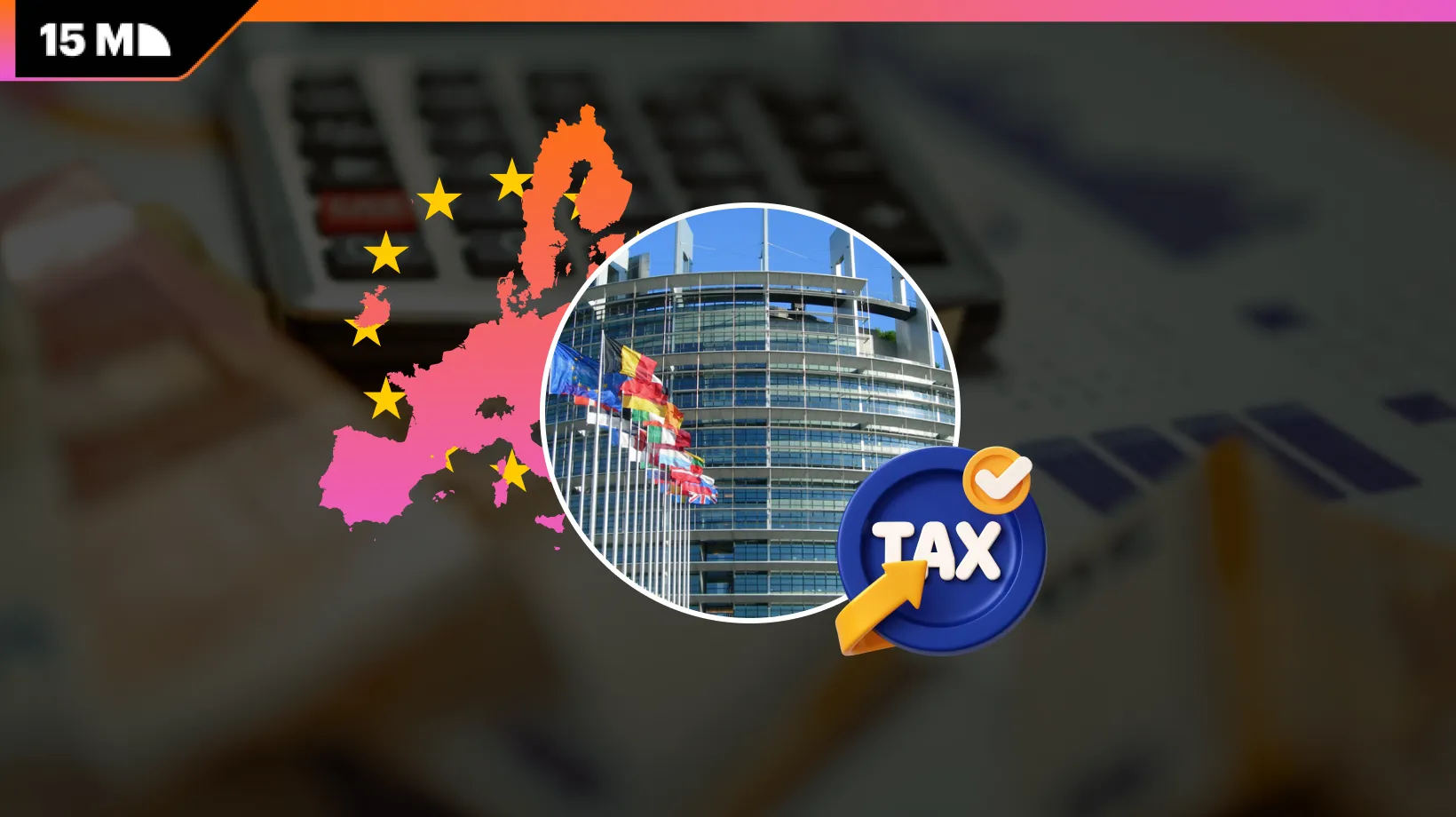

Negrescu described the concept as part of the broader debate on the EU’s budget and “own resources.” In simple terms, new ways for the EU to fund shared priorities without asking member states to pay more are being discussed.
He also said that online gambling represents a large cross-border digital market, while the system of taxation remains largely national and can be very different from one country to another. This mismatch has been on the EU’s agenda for quite a long time.


What the Money Could Support
In his public statements, Negrescu has spoken of any EU-level contribution in terms of social goals rather than general spending. Among the use cases he highlighted were:
- Education and skills initiatives;
- Prevention of gambling harm;
- Mental health support tied to addiction-dealing programs.
The figures bandied about with this proposal indicate that a small levy could generate €2bn to €4bn annually, with much larger figures over the course of a long-term EU budget cycle. For extra context, the European Gaming and Betting Association has announced that online gambling revenue in Europe is expected to be €47.9bn in 2024.
The Two Arguments: Tax Gaps and the Black Market
The basis of Negrescu’s argument is two-fold. First, he said that there is a lack of uniformity when it comes to taxation, with some EU members taxing gambling lightly and others more heavily. He argued this was leading to a situation of “tax shopping.”
Second, Negrescu noted that this tax would be beneficial from an enforcement standpoint. The thinking here is that if this new EU-level system is put in place, it would be easier to differentiate between compliant brands and illegal ones targeting EU consumers.
What Would Have To Happen Next
Currently, it’s a political proposal as part of the budget discussion. For it to actually become a reality as an EU-wide levy, it would need to go through a legislative process involving the European Commission and the member states. As practice shows, tax-related moves are among the hardest things to get through the EU system.
Also, the European Parliament currently has 720 members for the 2024-2029 term. Big decisions often come down to tight coalitions, and the politics of any new EU revenue stream can get complicated.
Expert Take: What Industry Teams Should Watch
Such discussions show that online gambling is starting to appear on the mainstream EU budget agenda. If this conversation progresses, we can expect the toughest battles to be over the following:
- The scope (who contributes, and on what basis);
- Double-charging (EU levy on top of national duties);
- Balance in enforcing (whether illegal operators are to be targeted while legal brands face higher costs).


