

Elections and victory
Shah won the snap election on 5 March 2026. The vote took place after Gen Z youth protests in September 2025 brought down the government of four-time Prime Minister Khadga Prasad Sharma Oli. Under his leadership, 77 people were killed during the unrest. His party, the Rastriya Swatantra Party (RSP), won 182 of the 275 seats in parliament. This is the largest majority any single party has secured in Nepal in the last six decades. Shah himself won his constituency with 68,348 votes against Oli’s 18,734. This is a record in the history of the country’s parliamentary elections.
Ban on gambling
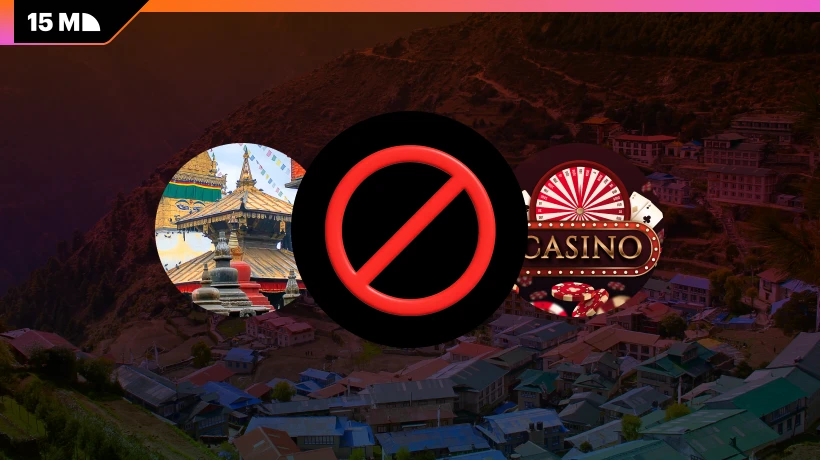
On 29 March, Nepal’s Ministry of Communications and Information Technology issued an order to the country’s National Telecommunications Authority (NTA) to immediately shut down all betting apps and websites, including online betting platforms. The deadline for compliance was 24 hours. The NTA, in collaboration with internet service providers, began blocking the platforms.
Online gambling had formally been banned in Nepal previously, but foreign operators continued to operate in the market. The authorities did not draw up a specific list of websites to be blocked. NTA spokesperson Min Prasad Aryal told local media that the agency had been instructed to block all suspicious resources without being provided with specific names. According to him, the first step is to identify the IP addresses of betting applications and their associated URLs.
The government has introduced daily monitoring of the blocking process. Reports on its implementation will be sent regularly to the Prime Minister’s Secretariat.
Regional trend
Nepal is not the first country in the region to tackle online gambling. Neighbouring India is also tightening regulations in this area. Other Asian countries are stepping up their oversight of payments within the industry. For Shah, the ban on gambling is just one step in the wide-ranging reform programme on which he won the election.