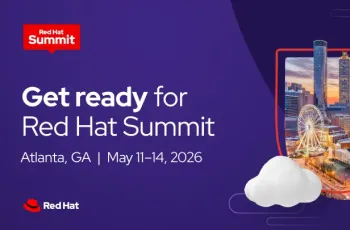
About Red Hat Summit 2026

Mark your IT calendar — Red Hat Summit 2026 is the go-to gathering for those passionate about enterprise open source. It is a key spot for professionals involved in open hybrid cloud, artificial intelligence, and automation. The arrangement creates a shared space where developers and sysadmins can link their code to production.

Event Fast Facts

Getting the details sorted out is crucial before you book your flight. For this big event, getting to the right spot on time really matters. The key details are:

  • Dates and Days: From Monday to Thursday, May 11–14, 2026;
  • Full Address: 285 Andrew Young International Boulevard NW, Atlanta, GA 30313;
  • Contact: 404-223-4000;
  • Co-Location: AnsibleFest 2026 is happening at the same venue;
  • Theme: “Unlock what’s next in Atlanta”;
  • Attendance Scale: Over 6,600 participants from more than 1,800 companies (based on 2025 data);
  • Session Count: More than 400 breakout sessions, hands-on labs, and keynote speeches;
  • Sponsors: 77 exhibitors and partner companies presenting Red Hat ecosystem integrations;
  • Venue Proximity: Close to Mercedes-Benz Stadium and the Georgia Aquarium, with easy MARTA access via the GWCC/Omni station.

Who Should Attend This Event

When considering who should come, this event targets particular roles in the tech field. The worth you find is closely linked to where you stand:

  • Systems administrators and infrastructure operators can try hands-on labs with RHEL 10 image mode, practice managing Satellite environments, and test automation playbooks that reduce manual work;
  • DevOps and platform engineers can dive into OpenShift container sessions, work directly with Kubernetes setups, and fine-tune CI/CD pipelines for hybrid cloud systems;
  • Enterprise architects can explore hybrid cloud upgrade plans, review where AI inference should run, and study edge deployment strategies for large infrastructures;
  • CIOs and technology directors can attend executive briefings on long-term tech direction, AI governance, and the business impact of enterprise open source;
  • Software developers can build and deploy OpenShift applications, design APIs for cloud-native environments, and review modern DevOps workflows used by production teams;
  • Partners and integrators in the Red Hat ecosystem can join Ecosystem Success Day to meet product leaders, discuss go-to-market plans, and compare integration approaches;
  • Open-source contributors can join participation tracks, connect with maintainers, and take part in discussions that influence upstream projects and future roadmaps;
  • Security and compliance teams can learn practical methods for securing supply chains, scanning container images, and automating compliance across hybrid environments.

Different Types of Sessions and Learning Formats

Selecting your own route is an essential part of the week. It’s entirely up to you how you want to get involved. The formats offered here allow for a lot of flexibility.

Session Type Duration Ideal For Interaction Level
Keynote Sessions 45–90 minutes Strategic vision, product announcements, industry trends Low to Medium
Breakout Sessions 45–60 minutes Technical deep dives, customer case studies, architecture patterns Medium
Hands-On Labs 60–120 minutes Practical skills with Red Hat Interactive Labs environment, BYOD encouraged High
Lightning Talks 15 minutes Quick insights, specific tool demos, feature introductions Low
Panel Discussions 45–60 minutes Expert perspectives, Q&A from floor, diverse viewpoints Medium
Networking Receptions Evening Peer connections, sponsor conversations, informal mentoring High

Core Tech Tracks and Topics

When it comes to your digital strategy, the content revolves around five main areas. You can either stick to specific tracks or mix and match the following as you see fit:

  • Automation: At the heart of this track is managing Day-2 operations using hybrid cloud automation and creating playbooks with AI tools such as Ansible;
  • Artificial Intelligence: This session focuses on AI workloads, where you’ll get to dive into model tuning, OpenShift AI, and leveraging GPUs in distributed systems;
  • Open Hybrid Cloud: Get insights into Kubernetes operations and discover how to run container solutions smoothly across various clouds, steering clear of vendor lock-in;
  • Security: This track highlights ways to minimize risks by safeguarding the software supply chain and ensuring compliance within regulated sectors;
  • Edge & Infrastructure: Focus on edge computing, exploring Linux systems tailored for edge applications and the latest RHEL updates aimed at enhancing system stability;

Expo Hall and Partner Opportunities

The Expo Hall brings the Red Hat partner network to life. Interacting with over 70 sponsors lets you check out fresh options that link directly with your existing enterprise software. Find the right people and products for your business.

Zone/Activity Description Target Audience
Partner Pavilion Booths for cloud providers and ISVs Decision Makers
Lightning Theater Quick demos of exhibitor opportunities Casual Browsers
Community Hub Area for collaboration on upstream projects Open Source Contributors
Ask the Experts Direct access to Red Hat engineers Technical Users

Social Events and Networking

When you gather in person, you’ll get the chance to meet the folks behind the code at events like Community Day for upstream contributors. Peer networking takes place during the Expo Networking Reception. Fresh connections, immediate and fulfilling. Besides the structured sessions, the “Hallway Track” usually offers a lot of value, too. So, these instances help you establish trust with both vendors and colleagues.

Week at a Glance

To plan your trip, it’s crucial to have a straightforward overview of the agenda. Understanding what you need to do each day makes it easier to figure out when to show up and when to leave.

Day & Date Morning Afternoon Evening
Monday, May 11 Briefing Center Community Day, Ecosystem Success Day, Briefing Center, Expo hall Kickoff party
Tuesday, May 12 Breakfast, Keynote, Sessions, Labs, Expo hall, Executive Exchange Lunch, Sessions, Labs, Expo hall, Executive Exchange, Briefing Center Expo networking reception, Late-night labs
Wednesday, May 13 Breakfast, Keynote, Sessions, Labs, Expo hall Lunch, Sessions, Labs, Expo hall, Briefing Center Georgia Aquarium closing event
Thursday, May 14 Breakfast, Sessions, Labs Lunch, Sessions, Labs, Briefing Center

Ticket Costs and Deadlines

To snag the best price for summit registration, it’s crucial to book before the deadlines. The pricing options are set up to fit your budget and your role for the event. But you need to move fast to snag the best rate:

  • Earliest Bird Special: $1,099 (Valid from Jan 14 to Feb 23, 2026);
  • Early Ticket: $1,499 (Valid from Feb 24 to Mar 25, 2026);
  • Regular Price: $1,999 (Valid from Mar 26 to May 14, 2026);
  • Group Discount: $799 (For teams of 3 or more attendees);
  • Special Pricing: $1,099 (Available for Government, Academic, and RHCPs);
  • What’s Included: Your pass covers keynotes, the expo, workshops, and meals;
  • Visa Support: You can request an invitation letter while checking out.

Reviews (0)

Write a review

No reviews yet. Be the first to review!


Leave Review

How do you rate?

🔒
What is 2 * 4?