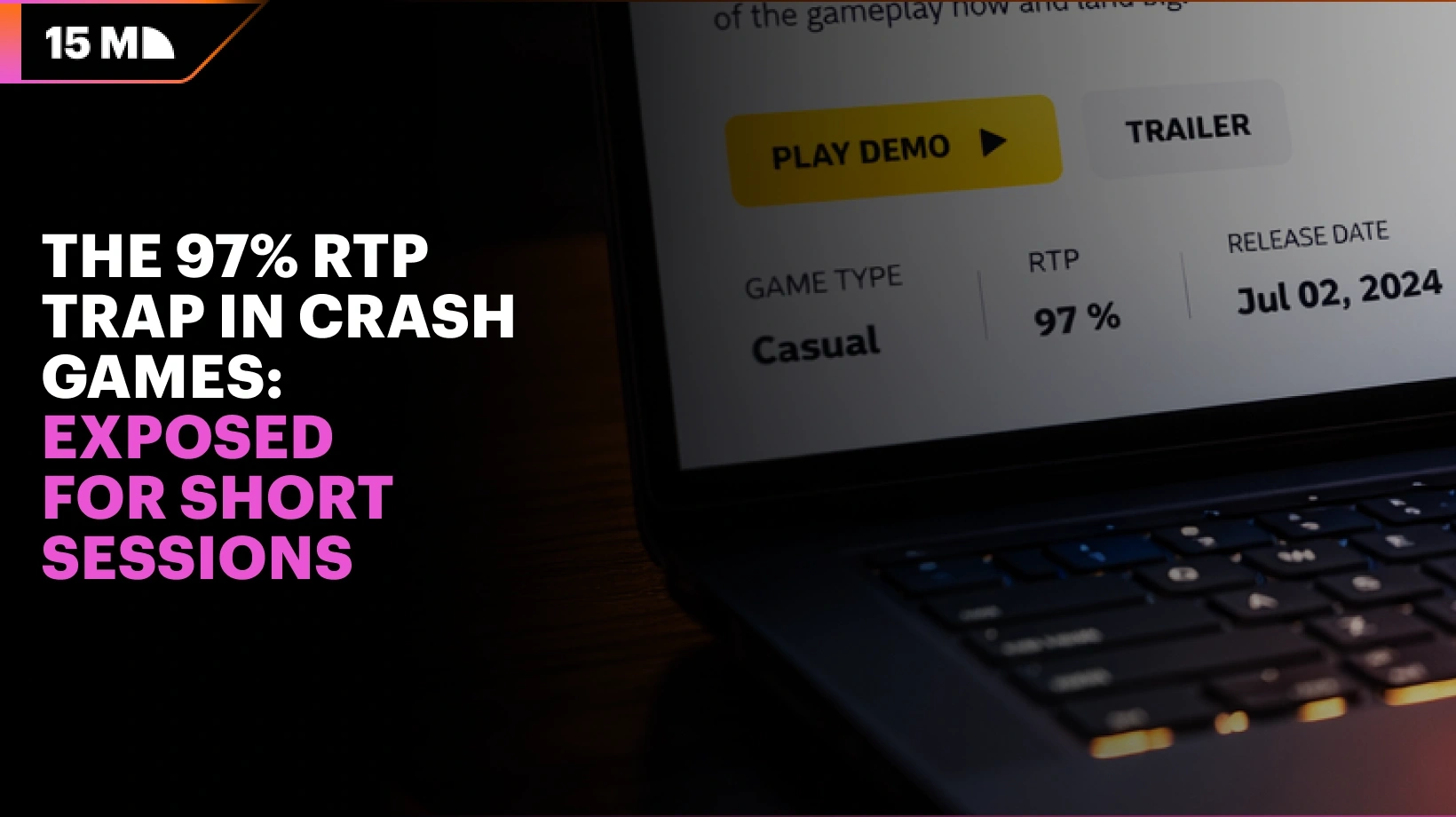

You’re sure to spot the 97% RTP showcased everywhere in crash games, like Red Baron and Aviamasters, that crowd online casinos and gaming sites. RTP stands for the portion of all bets that gets returned as winnings over many rounds to all players. In crash games, that 97% really stands out compared to the 94-96% typical in many slots, and it often catches players’ interest quickly. But here’s the deal: RTP shows you the outcomes from countless games played by different gamblers who use various strategies, rather than just what you might see in your two-hour playthrough tonight. A crash game multiplier keeps climbing until it crashes, and you can cash out anytime you like – it is easy to get, right? Online casinos really pay attention to that 97% figure since it outshines the usual slot machine stats. They frequently claim, “A higher RTP is a wiser option.”
But in reality, it could be as claimed. Crash games plunge you into wild ups and downs in just a few quick rounds. You might end a 200-round session either way – up by 150% or down by 60% – and both results comfortably fit within that same “97% RTP” framework. The number’s accurate, the calculations add up, but it won’t shield you from unexpected turmoil.
Understand What RTP Actually Means
As we’ve said, RTP indicates the percentage of money all players of a game receive back over countless rounds. A crash game boasting a 97% RTP indicates that players can look forward to recouping 97% of their bets over numerous rounds and various play styles. The casino and game studio gets that 3% gap as a profit. This calculation depends on the crash multiplier probability curve rather than only looking at brief gaming sessions.
Online casinos frequently highlight high RTP since 97% tends to be greater than what you typically encounter in most slots. They show return rates to help users compare different games. However, users often overlook the crucial fact that it takes millions of rounds before those numbers truly represent what’s happening. In crash games such as Red Baron or Aviamasters, the promised RTP can seem quite far off after you’ve been playing for a few hours. Just keep in mind, it doesn’t guarantee that you’ll get any particular results for yourself. Short sessions emphasize actual changes rather than vague percentages.
Find Out How Slots Gradually Reach Their RTP Numbers
Slot machines usually need thousands, or even millions, of spins to match their advertised RTP. Low-volatility games usually require about 5,000 to 10,000 plays for the RTP to level out within a ±2% range. On the flip side, high-volatility slots might require between 500,000 and over 5 million spins. The math brings some variety to the reel strips and paytables, so players might find themselves going for quite a while with just a few small wins or even no wins at all before that expected payout finally shows up. Online casinos gather information from a wide range of players to look at these numbers, yet the ups and downs of single gaming sessions usually don’t match the RTP.
Crash games completely alter this dynamic. Most of them feature about 97% RTP, but the options players have for cashing out can lead to surprising changes in volatility after each round. Rather than just sitting back and hoping for the reels to provide you with something, crash game mechanics allow you to pick targets that directly influence the results. Gaming sites often emphasize quicker gameplay, but remember, the RTP actually needs millions of spins to show its true colors. Still, you might catch some wild results in different sessions.
Slot volatility plays a big role in how soon returns align with the advertised return rate. Low-variance games tend to even out after just a few rounds of serious play, while high-variance games can take years to settle in.
| Volatility Level | Spins Needed (±2% RTP Accuracy) | Player Session Feel |
|---|---|---|
| Low | 5,000–10,000 | Frequent small wins every 3–5 spins (25–35% hit frequency), minor ups and downs, quite steady |
| Medium | 50,000–200,000 | Wins happen roughly every 4–6 spins, bonuses pop up every 100–200 spins, and some dry streaks occur pretty often |
| High | 500,000–5,000,000+ | Rare wins (10–20% frequency), 30–100+ dead spins, big bonus swings, wild highs and lows |
Comparing Crash Game Mechanics to Classic Slots
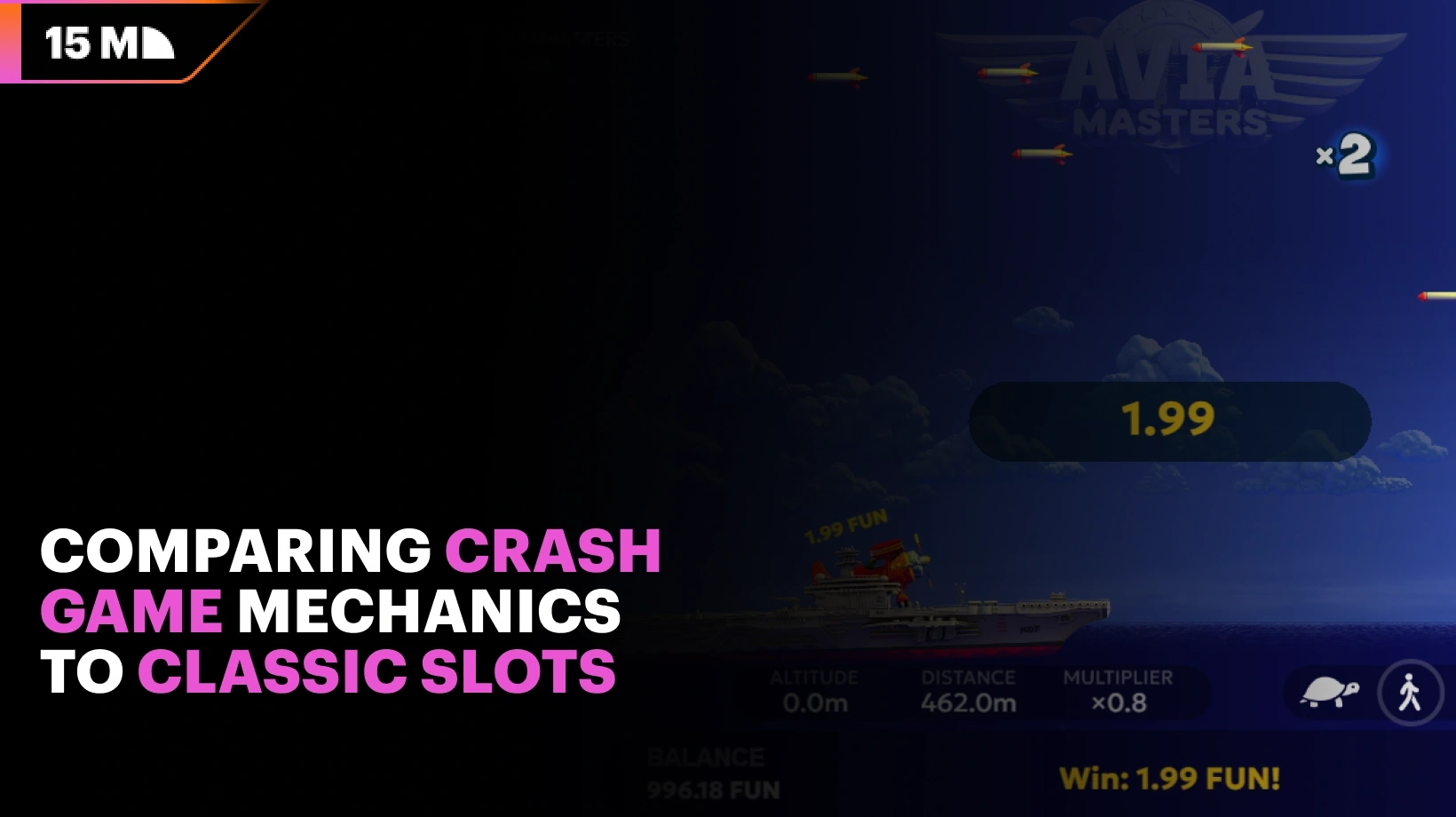
Crash games such as Red Baron and Aviamasters turn the usual casino math on its head. Here, you ride the highs and lows by deciding when to cash out, all while keeping the RTP steady at 97%. Red Baron lets you place three bets at once on different targets – for example, one with a 1.5x multiplier for reliable wins, another at 5x for some consistency, and a third shot aiming for that crazy x20,000 jackpot. Aviamasters gives you the same control with its x250 multiplier cap and lets you withdraw your funds whenever you want. This way of choosing variance really stands out when you look at slots on online casinos, where the creators set the volatility beforehand.
In regular slot machines, the return rate and volatility are defined by fixed reel strips and paytables. A slot with high volatility offers a 96% RTP, but it doesn’t often activate bonuses and can have long stretches without any wins. In a different light, a low-volatility game distributes that same RTP by offering up regular small wins. Players can’t change this setup while it’s spinning. The RTP percentage and variance profile work together as one and don’t change once you spin.
Crash games set apart these two parts, which gives you a clearer way to manage your sessions compared to classic slots:
- Steady RTP envelope: The 97% return rate stays the same across all cashout methods in crash games, whether you’re being cautious or going all out;
- Volatility on your terms: Cashing out early at 1.2–2x hits 70–80% of the time with little change, while going for 10x+ multipliers might drop your hit rates below 20% but keeps the same RTP max;
- Embedded slot volatility: Standard slots at online casinos tie variance to symbol frequencies and bonus features. This leaves you no chance to make changes during your session;
- No control in slots: Gaming sites give slot volatility ratings just for information. Players either accept the set variance or change games entirely.
Focus on Variance Instead of RTP When Playing Short Sessions
While RTP impacts returns over millions of rounds, variance decides what happens during a 1-2 hour gaming session. A crash game that boasts a 97% RTP can result in some crazy fluctuations over 100 to 300 rounds and cause the expected return to feel quite minor.
For example, Red Baron and Aviamasters both have a 97% RTP, but players often wrap up their sessions with about a 50% loss or, surprisingly, can even walk away with gains of up to 200%. This happens because brief plays tend to reveal the quick shifts of intense volatility.
Now, take a look at the more relaxing casino games that you can discover. A slot machine with medium volatility and a 96% RTP tends to provide more stable outcomes over 200 spins — you can generally expect variations to fall within -15% to +25% of your bankroll. Crash games squash intense results into a single moment. One round of Red Baron, which includes 150 shots, could bring in three multipliers of 20x or more and lead to a payout of over +300%. However, during another session with the same RTP, roughly 80% of the rounds might fall short of hitting the 2x mark, which leads to a loss of 60% of the original bet.
Casinos show RTP clearly, but it’s the variance that actually decides if your two-hour gaming session ends in a win or a loss. Fast rounds in crash games really highlight how much luck is involved. Volatility impacts actual outcomes, but the return rate remains steady until you’ve played a lot of rounds.
Think About Interval Play to Tackle Crash Game Variations
Interval play modifies cashout targets based on low, medium, or high multipliers in a crash game. This approach mixes 1.5x exits with 4x attempts and those rare 10x efforts across a few rounds. Red Baron and Aviamasters have a 97% return to player rate, but the amount of risk changes depending on the group you decide to aim for each round. Mixing in 7 careful stakes, 2 medium ones, and 1 daring bet every 10 rounds really brings some excitement to your game and makes it way more lively. The rotation keeps that same 97% RTP that crash games promise and balances your ups and downs. Online casinos look at this RTP over numerous rounds, which allows you to notice the ups and downs in your gameplay. Mix targets the way gaming sites suggest casino games that carry high volatility. Conservative intervals offer a strong base when the crash game hits low multipliers, while aggressive intervals help you catch those occasional spikes. Stick to this approach to navigate the ups and downs during any session:
- Cash out at 1.5x for rounds 1 to 7 to create a solid foundation.
- Try for 4x on round 8 to lock in a decent multiplier.
- Go for 4x on round 9 for another good chance.
- Aim for 10x on round 10 for some higher-risk potential.
- Return to 1.5x for rounds 11 to 17 to maintain stability.
Smartly Split Bets in Red Baron’s Triple System

Red Baron allows you to place three bets simultaneously each round, all within a 97% RTP framework. Every bet comes with its own stake and a specific cashout goal. It is important for all roles, no doubt about it. This really differs from those simple one-liner casino games you find, where a single choice can change the whole bet. Players distribute their risk across various crash game targets all within a single round. Bet 1 aims to offer a payout of roughly 1.5 to 2 times your stake, and there’s about an 80% likelihood it will win. Bet 2 seeks to give you back 3 to 5 times what you put in, with roughly a 50% chance of hitting it big. Bet 3 follows the 20x–50x range and has a likelihood below 10%. When a round hits 4x, Bets 1 and 2 come through with wins, while Bet 3 misses the mark, so you get three different results from a single round.
This triple system offers a level of variance control that you often don’t see in regular crash games and online casinos:
- Survival layer: Position 1 at 1.5x brings consistent small wins to help keep your bankroll healthy;
- Growth tier: Position 2 at 4x gives a nice bump to your profits during better rounds;
- Jackpot play: Position 3 at 50x+ catches those rare highs that can shoot up to x20,000;
- Auto-cashout: Pre-set targets kick in automatically, so you won’t have to worry about timing errors;
- Multi-target rounds: It covers low, medium, and high volatility zones within the crash game’s 97% RTP quicker than sticking to a single line.
Stick to Tight Discipline in Single-Bet Crash Rounds
A single-bet crash game puts every dollar at risk for one cashout choice each round. There aren’t any safety nets here. The 97% RTP stat gaming sites boast for games relies on the idea that you’ll mix careful and bold cashouts over multiple rounds. But if you lack some discipline, that anticipated return can fall apart quickly.
A lot of players kick things off with a strategy. After making 50 quick choices, you start to feel worn out. Data from online casinos indicates that roughly 80% of players tend to go for flat betting, for example, cashing out at the same 1.5x or 2x with every round. This seems secure, but it leads to a limited set of choices. When you play that crash game and hit 8 low multipliers back to back (which happens a lot in high-volatility casino games), sticking with flat bets can really drain your bankroll. The house edge grows when there are no opportunities to offset losses. Strict rules can help you avoid downturns while betting flat and keep your RTP steady during quick rounds.
- Set clear cash-out goals for every 10 rounds before you dive in;
- Keep an eye on your actual exits after 50 rounds to catch any patterns that pop up;
- Try using auto-cashout at 1.5x for 70% of your bets, but go for manual timing on the other 30% just to mix things up a bit.
- Keep each session capped at 100 rounds to sidestep decision fatigue that could mess with your self-control.
Identify the Trouble Phase in Accumulation Crash Games
Accumulation crash games like Aviamasters (BGaming, 97% RTP, x250 max) stand out from instant-cashout games because they have two distinct winning phases: first, you rattle up multipliers while floating in the air, and then you’ve got to land on a carrier successfully to cash them in. Standard crash games secure your payouts as soon as you cash out, so there are no unnecessary steps to take. Aviamasters launches rockets that can cut your balance in half, and their landing physics might be a little unpredictable, which adds some extra surprises to the claimed 97% RTP. This design changes the game in ways that most casino games and online gambling sites often overlook in their promotions.
The “lame duck” phase starts the moment you activate the auto-land feature, but before you have a guaranteed payout, it’s that short span when your aircraft is coming down but could still hit the water even as it gets close to the runway. Rockets appear out of the blue, altitudes can fall, and the rules of physics need to work together. One mistake at this stage can wipe out all your wins entirely.
Gaming sites mention a 97% RTP for Aviamasters, but that boring duck phase hides some risks that can make fast play seem less reliable than that shiny number implies.
Count Real-World RTP Losses from Mental Strain
Crash games require your full attention for about 100-200 rounds during a usual two-hour session. This mental strain can lead to mistakes that may bring your actual RTP down below the advertised 97% mark. Decision fatigue sets in after you’ve dedicated too much time to deciding when to multiply, which is why players frequently look for quick games on online casinos or gaming sites. Instead, they deal with mental strain that leads to even more mistakes. Crash games that are fast-paced don’t give you a chance to make changes. The duration from the moment you hit cash out to when the server gives you the green light reduces manual exits by about 0.2-0.5 times in roughly 5-20% of games. This can pretty much lower the actual RTP by about 0.3% to 1%. Misclicks and missed auto-cashout settings can turn what could be three wins into complete losses.
In Red Baron, juggling multiple bets draws your focus across three areas. If you overlook one bet while checking another, errors can add up, costing you an extra 1-2% each time you play.
Moments of distraction in crash games often lead to noticeable RTP discrepancies that benefit the house, typically more than the usual 3% advantage. Here are the most common:
- Forgetting to exit manually could wipe out your whole bet when you lose track;
- Setting incorrect auto-cashout amounts at 2x instead of 5x could eat up 0.5-2% due to quick, low cashouts;
- Mobile network delays might hold up manual cashouts by 0.3-0.5x when things get busy;
- Getting emotional after a loss can throw off your targets and increase the house edge to 5-7%.
Consider the Long Game Before RTP Shows Up

During a typical two-hour crash game session, you’re usually looking at around 100 to 300 rounds at most. During that time, the difference completely overshadows any signal from the 97% RTP. Your fast results rely more on chance and the withdrawal choices available, rather than the return rate they advertised. Contrast this with a “career” path, where you could rack up somewhere between 100,000 and 500,000 rounds over several months or even years. It’s only when you reach that huge volume that RTP really starts to affect your total loss or your odds of making it through. You don’t just get statistical significance right away. Low-volatility casino games reveal RTP patterns after about 10,000 rounds. High-volatility crash games typically need around 500,000 to a few million rounds before that 3% house edge really starts to influence the outcomes. Most players simply don’t get past that point. Even people who play daily often find that it takes around one to two years of regular play for the RTP to smooth out those short-term highs and lows. When you consider this in terms of slots, it’s easy to see why a 97% RTP seems so appealing on gaming sites. Standard video slots typically offer an RTP of about 94% to 96%. In contrast, crash games set themselves apart with a 97% RTP, which gives them a numerical advantage. Yet that gap of just 1% to 3% barely makes a difference in a 200-round session, seeing as variance can shift your bankroll by up to ±50%, no matter what game you’re in.
Find Out Why 97% RTP Catches Attention but Doesn’t Guarantee Wins
Ads on gaming sites often trumpet the 97% RTP for crash games, along with huge multipliers, like x20,000 or x250. These imply that “97% RTP means fair returns,” but they don’t really clarify the timeframe involved. This percentage goes beyond the usual slot RTP (94–96%), which has led many blogs to call crash games as offering “better value” for those moving away from classic casino games. The headline suggests that one crash game appears to be 95% safer than another, but honestly, that difference might not mean much during those fast-paced sessions. This method is effective since 97% is really just a 3% house edge, compared to 5–6% for slots. Online casinos usually promote crash games with high RTP badges to draw in cautious players, who see those numbers as a sign of fairness. New players who pick a 97% game often think they’ve made a clever choice. At first glance, RTP seems like a symbol of trustworthiness and a way to find “the right game.” Here’s why that 97% represents the broader picture, not just your individual outcomes:
- Millions of rounds needed: RTP is calculated over billions of plays from everyone, not just your 200-round stint;
- Mixed behaviors factored in: The 97% assumes that 40% of players cash out early, another 40% partway through, and 20% at the end—your unique strategy doesn’t match this mix;
- Variance shapes short play: Just two hours of high-volatility sessions can swing results by ±50%, which completely negates that 3% edge.
Check Out These Useful Tips to Dodge the RTP Trap
The RTP displayed for crash games on online casinos doesn’t actually offer much security during regular play. Instead, put your energy into specific bankroll strategies and set cashout guidelines that gear you up for the unpredictability of casino games.
- Make clear cash-out goals before jumping in. Aim for 1.5x to 2x multipliers for most rounds in any crash game. Conservative exits can protect you from the fluctuations that frequently accompany quick trades;
- Keep your stakes between 1-2% of your total budget. For instance, if your budget is $200, make sure to bet no more than $2 to $4 each round. Small bets can tackle the ups and downs of crash games, since the RTP shows up only after quite a few rounds;
- Limit each session to 100 rounds. Setting a time cap can keep exhaustion at bay and aid in controlling feelings. Stop when you hit 100 rounds or when 90 minutes are up to keep mistakes from boosting the house edge;
- Switch targets at regular intervals. Play 10 rounds at 1.5x, then aim for 5x. Variance blending increases session durations without relying on the 97% RTP claim.